
Why the Sun Will Not Shine Forever
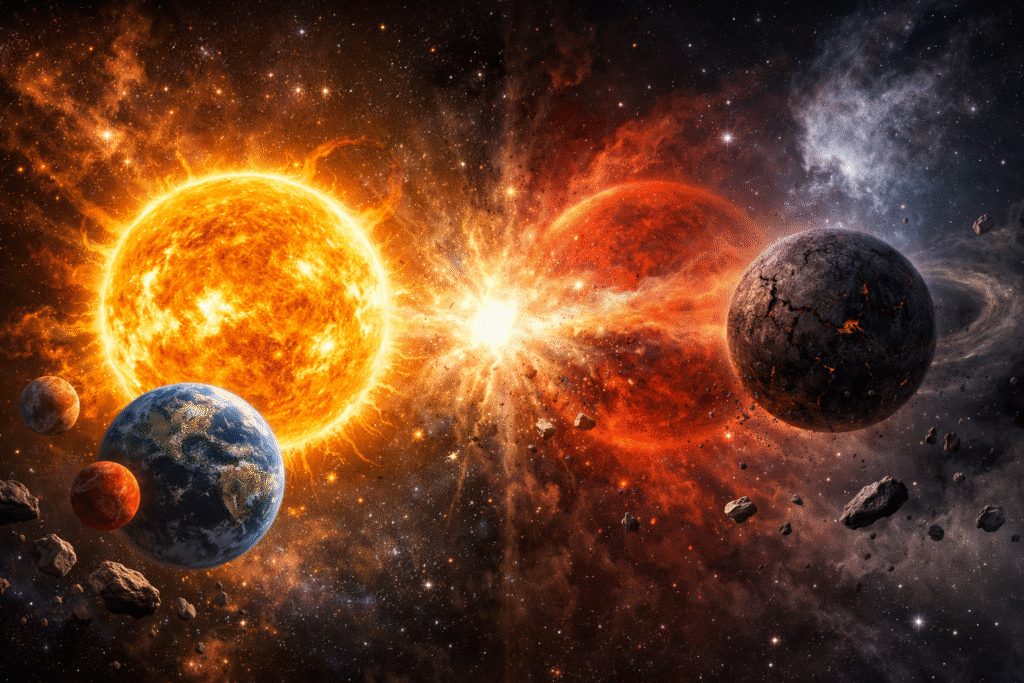
The star at the center of our system shines because immense pressure in its core forces hydrogen atoms to fuse into helium. This nuclear fusion releases extraordinary amounts of energy which travels outward and eventually reaches space as light and heat. As long as enough hydrogen remains in the core, this balance between inward gravity and outward energy production keeps the star stable.
No fuel supply lasts forever. Every second, millions of tons of hydrogen are converted into helium. Over billions of years the amount of usable hydrogen in the core steadily decreases. When the core can no longer sustain fusion at the same rate, gravity begins to win, changing the internal structure and starting a new chapter in the star’s life.
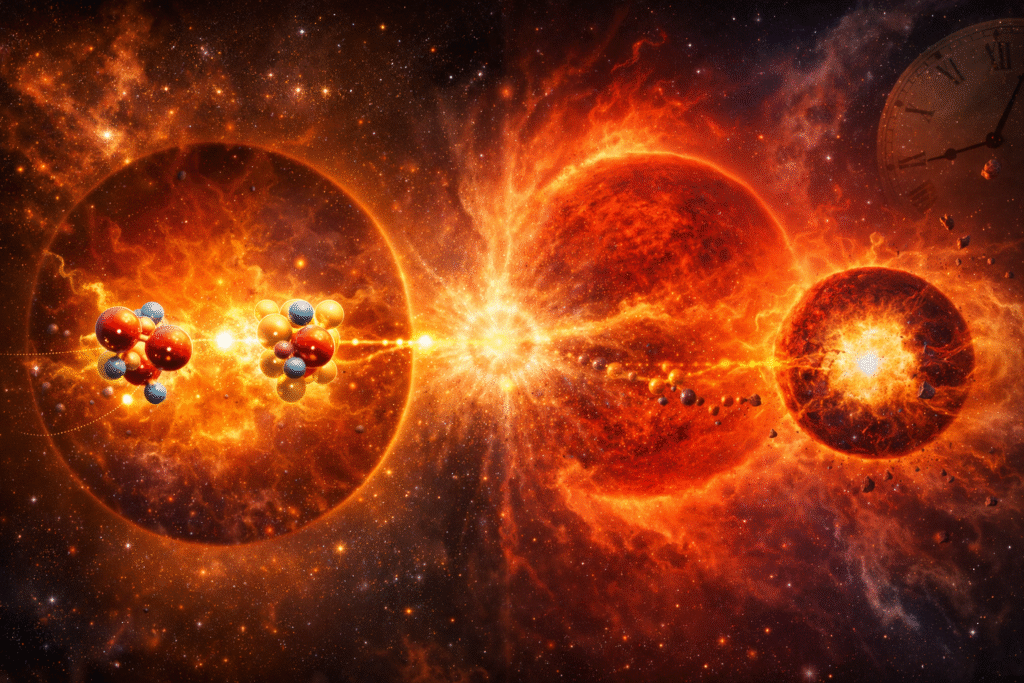
As the core contracts, temperatures rise. This added heat allows fusion to occur in a surrounding shell, causing the outer layers to expand enormously. The star will swell into a red giant, growing so large that it is expected to engulf or severely affect the inner planets. During this stage, its surface becomes cooler in color but far more immense in size and luminosity.
Eventually the giant phase becomes unstable. The outer layers will drift away into space, forming a glowing cloud called a planetary nebula. What remains at the center is a dense, hot remnant roughly the size of Earth, known as a white dwarf. No longer powered by active fusion, it will slowly radiate away its leftover heat.
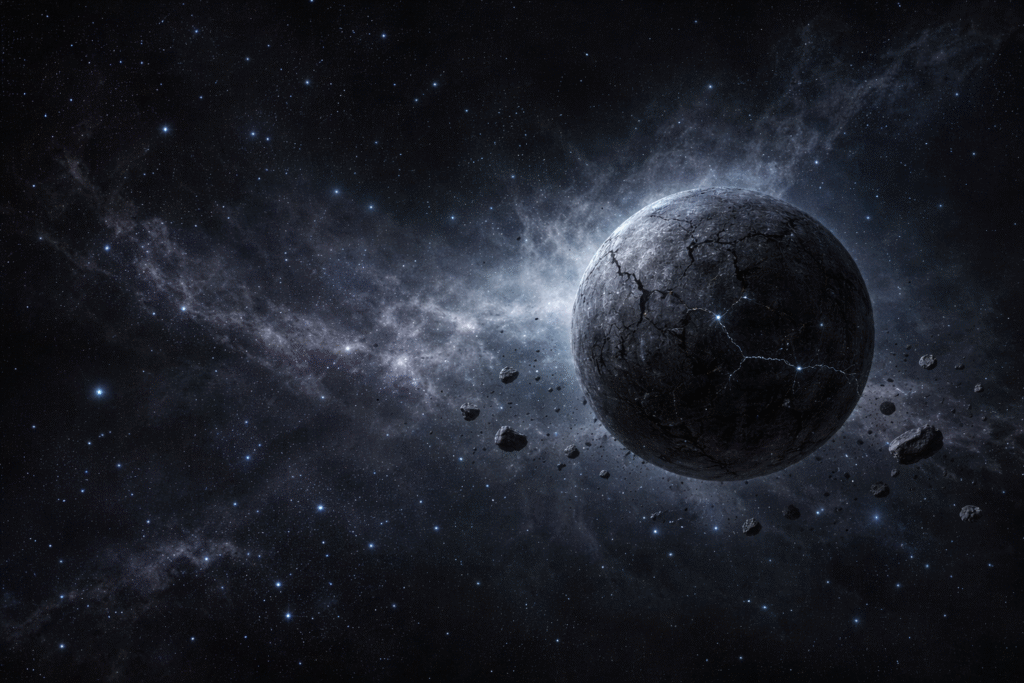
After an almost unimaginable span of time, that ember will cool further, fading toward darkness. The result is sometimes called a black dwarf, a cold stellar corpse. The universe is not yet old enough for any to exist but physics predicts this quiet ending.
Understanding this long evolution offers perspective. The process unfolds over about ten billion years, vastly longer than human history, yet it reminds us that change is built into nature at every scale. The same rules that light our days also guide the distant future, inviting curiosity, preparation and awe at the life cycle of stars.
canada drug stores
prescription drugs without prescription
canadian pharmacy
canadian pharmaceuticals online
buy meds online
pain meds online without doctor prescription
top rated canadian pharmacies online
pharmacy world
canada pharmacy online
Tham gia giải trí nhất định anh em không nên bỏ qua sảnh chơi cá cược thể thao. 188V . com đưa tới cho cược thủ hàng trăm các tỷ lệ kèo siêu hấp dẫn trên khắp thế giới, tỷ lệ thưởng đa dạng. Với nhiều giải đấu lớn nhỏ được cập nhật liên tục mỗi ngày như Champions League, Euro, La Liga, Serie A, Premier League, World Cup,… TONY03-25
online pharmacy amitriptyline buy pharmacy online generic levitra online pharmacy