

Why February Nights Reveal More Stars
1. Longer Nights:
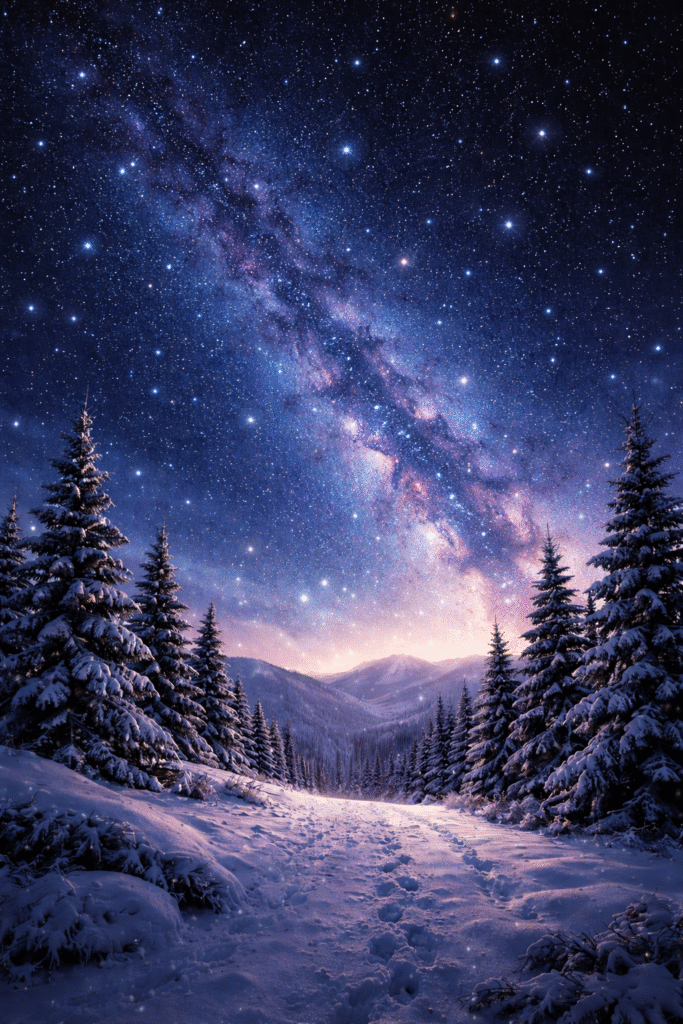
February is still part of winter in the Northern Hemisphere which means nights are relatively long compared to other months. The extended hours of darkness allow for more time to observe the stars, making it easier to see fainter stars and constellations that are otherwise harder to spot during shorter nights in summer. The longer nights also reduce the sun’s glare, giving the sky a darker, clearer backdrop for stargazing.
2. Clearer Skies:
Winter, including February often brings clearer skies. Cold air holds less moisture than warm air which means there is less humidity and fewer clouds to obscure the view of the stars. The reduced atmospheric turbulence in colder months also sharpens star visibility making distant celestial objects appear brighter and more defined.
3. Less Atmospheric Pollution:
February often sees lower levels of dust and air pollution compared to warmer months. Cooler temperatures mean less pollen, dust and smog which can scatter light and reduce visibility. With cleaner air, stargazers can enjoy a crisper view of the night sky and faint stars become easier to see.
4. Winter Constellations:
Winter brings some of the most spectacular and easily recognizable constellations in the Northern Hemisphere such as Orion, Taurus and Gemini. Many of these stars are among the brightest in the sky. Observing in February allows you to enjoy these stellar patterns at their peak visibility before spring constellations take over.
5. Less Haze from Heat:
During warmer months, the heat near the surface of the Earth can cause atmospheric haze making stars appear dimmer. In February, the colder air near the ground reduces this effect, producing a steadier and more transparent sky. This is particularly helpful for astrophotography or detailed observations with telescopes.
6. Astronomical Events:
February sometimes coincides with meteor showers or other celestial events. These events make stargazing particularly rewarding as the combination of longer nights, clear skies and prominent winter constellations increases the chances of observing spectacular phenomena in the sky.