
Venus & Saturn Conjunction (March 7–8): A Rare Planetary Dance in the Twilight Sky
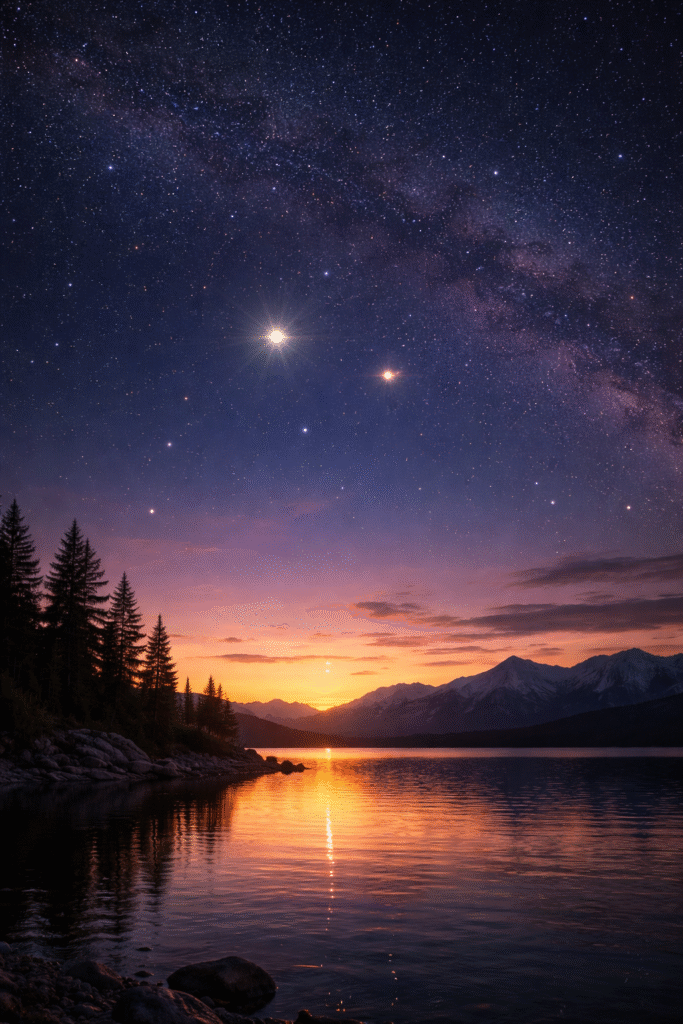
On the evenings of March 7–8, skywatchers can witness a striking celestial event a close conjunction between Venus and Saturn. During this alignment, the two planets appear very close together in the sky from Earth’s perspective even though they remain millions of kilometers apart in space. This visual pairing creates a beautiful and rare sight especially just after sunset.
A conjunction occurs when two celestial bodies share nearly the same right ascension or celestial longitude making them look side-by-side. In this case, brilliant Venus often called the “Evening Star” shines much brighter while Saturn appears smaller and softer in glow. The contrast between Venus’s intense white light and Saturn’s gentle golden hue makes the pairing especially captivating.
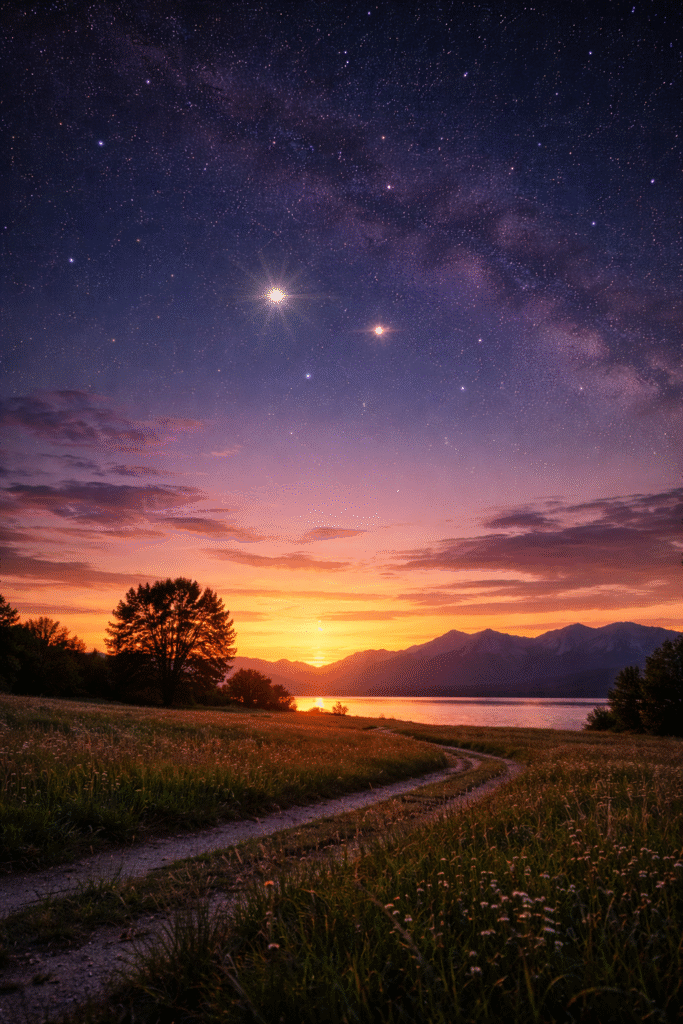
This event takes place low in the western sky shortly after sunset. The best viewing window is typically within 30–60 minutes after the Sun dips below the horizon. Because the planets sit close to the horizon, clear skies and an unobstructed western view (like an open field, beach or hilltop) greatly improve visibility.
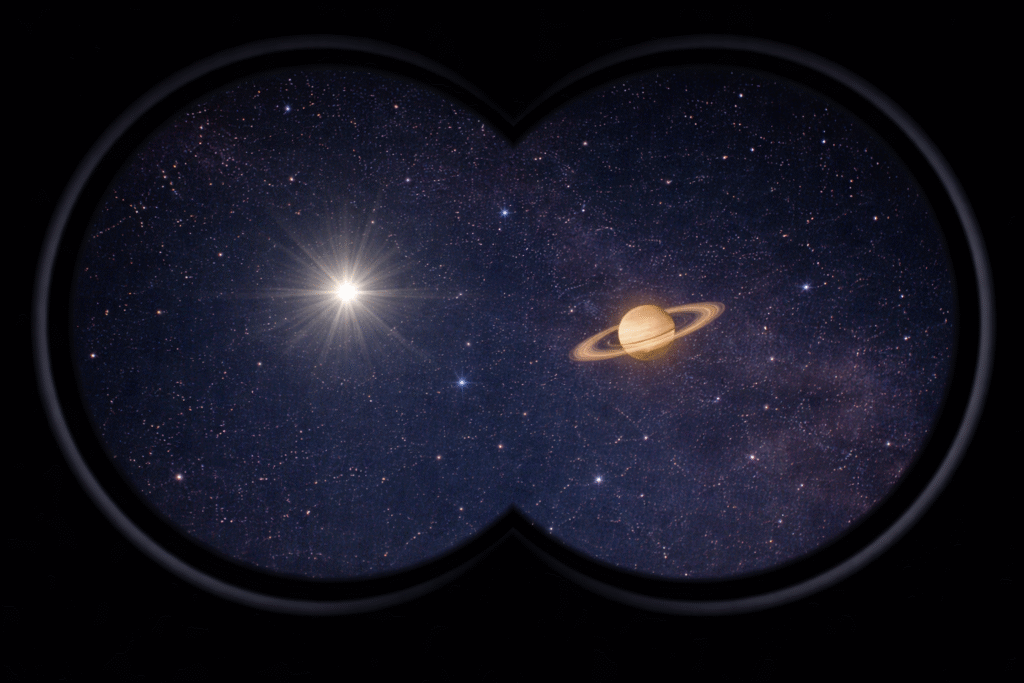
Venus is the second planet from the Sun and reflects sunlight strongly due to its thick cloud cover making it one of the brightest natural objects in the night sky. Saturn, the sixth planet from the Sun is famous for its spectacular ring system though binoculars or a small telescope are needed to see the rings clearly. During the conjunction, both planets may fit within the same binocular field of view offering a memorable sight.
Astronomically, planetary conjunctions happen because the planets orbit the Sun at different speeds and distances. From Earth, these orbital paths sometimes align visually. Venus, moving faster in its inner orbit periodically “catches up” to slower-moving outer planets like Saturn creating these close encounters in our sky.
While conjunctions are not extremely rare, each one is unique in spacing, brightness and viewing conditions. The March 7–8 alignment is especially appealing because Venus is near peak brightness during this period enhancing the dramatic contrast between the two worlds.
For observers, no special equipment is required to enjoy the event. However, binoculars enhance the experience and may even reveal Saturn’s elongated shape. A tripod or steady support helps reduce shaking. Always ensure the Sun has fully set before using binoculars to avoid eye damage.
Events like this remind us of the graceful mechanics of our solar system silent, predictable and beautiful. Watching a conjunction is more than spotting two bright points of light, it’s witnessing orbital motion in real time, a gentle demonstration of cosmic harmony unfolding above us.