
The Deadly Problem Lurking in Moon Dust
At first glance, Moon dust may seem harmless just fine gray soil covering the lunar surface. But scientists and astronauts now agree on one thing:
Moon dust (called lunar regolith) is one of the most dangerous hidden threats to future space exploration.
It damages equipment, harms human lungs and could even limit long-term stays on the Moon.
1. What Exactly Is Moon Dust
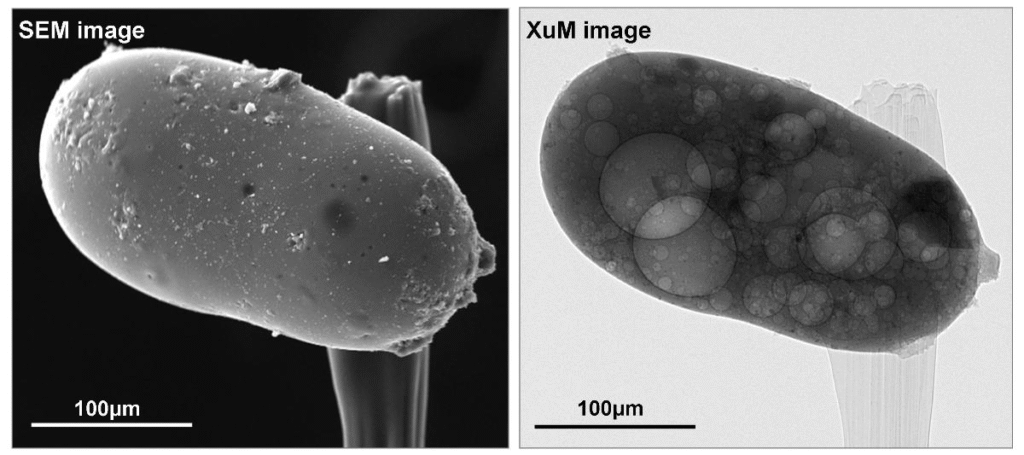
Moon dust is not like Earth’s soil.
It is:
- Formed by billions of years of meteor impacts
- Made of shattered rock and glass
- Extremely fine and sharp
- Highly electrically charged
Because the Moon has:
- No atmosphere
- No wind
- No rain
The dust is never smoothed or rounded like sand on Earth. Every grain is jagged like broken glass.
2. Why Is Moon Dust So Dangerous
1. It Destroys Astronaut Lungs
During the Apollo missions, astronauts accidentally inhaled Moon dust that entered their spacecraft.
They reported:
- Severe coughing
- Throat irritation
- Chest tightness
- Eye burning
Why it’s deadly:
- The dust particles are smaller than human lung filters
- They can reach deep inside the lungs
- They may cause:
- Lung scarring
- Chronic breathing disease
- Cancer-like conditions
Scientists compare it to: Asbestos + broken glass + toxic metal particles
2. Moon Dust Is Electrically “Sticky”
Moon dust carries static electrical charge, which causes it to:
- Stick to:
- Space suits
- Helmets
- Solar panels
- Cameras
- Tools
- Invade:
- Air filters
- Oxygen systems
- Electronic equipment
Once it sticks, it refuses to come off.
3. It Destroys Machines & Space Suits
Apollo astronauts faced serious mechanical failures:
- Space suit joints stiffened
- Helmet visors became scratched
- Solar panels lost power
- Seals in airlocks started leaking
Why?
- Dust particles are sharp and abrasive
- They act like sandpaper inside machines
Future risk: Long-term Moon bases could completely fail due to dust damage alone.
4. It Becomes a Permanent Indoor Threat
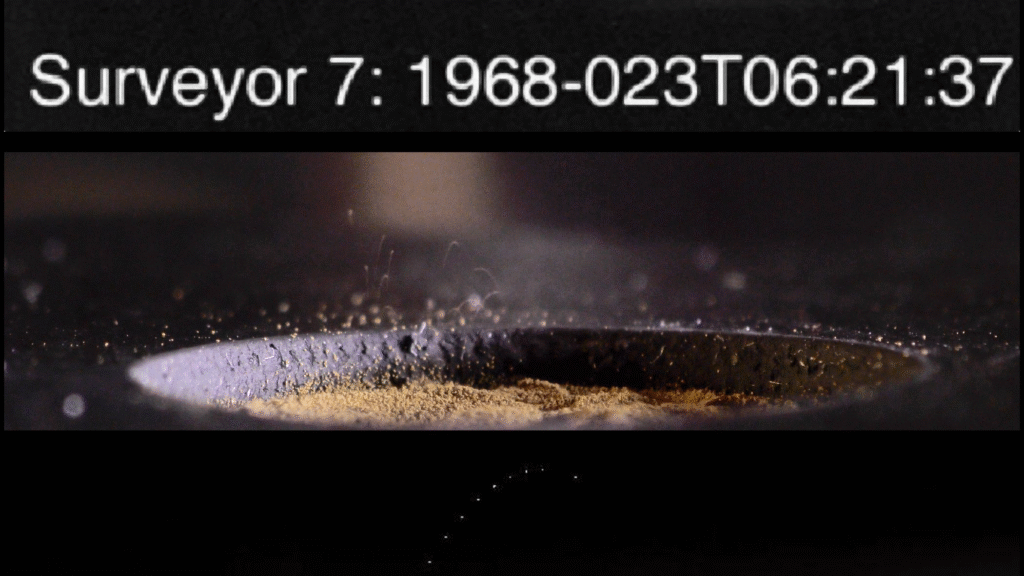
Every time astronauts return inside:
- Dust enters the cabin
- Floats in zero gravity
- Gets inhaled through oxygen systems
On Earth, dust falls down. On the Moon, it floats straight into your lungs.
3. Why This Is a Huge Problem for Future Moon Missions
NASA, SpaceX, and China plan to:
- Build permanent Moon bases
- Send astronauts for months or years
- Extract Moon resources
But Moon dust makes this extremely dangerous.
Long-term effects could include:
- Lung failure
- Blindness
- Cancer
- Machine collapse
- Power system destruction
Without solving the dust problem:
Human survival on the Moon is nearly impossible.
4. How Scientists Are Trying to Solve the Moon Dust Problem
Scientists are developing:
1. Dust-repellent space suits
- Special nano-coatings that resist static charge
2. Electrostatic dust cleaners
- Electric fields that shake dust off equipment
3. Magnetic dust shields
- Some Moon dust contains iron particles
4. Enclosed Moon habitats
- No dust exposure indoors
5. Robotic mining instead of humans
- Reduces human lung exposure
5. Hidden Shock: Moon Dust Is More Dangerous Than Mars Dust
| Feature | Moon Dust | Mars Dust |
|---|---|---|
| Shape | Sharp, glass-like | Rounded |
| Static charge | Very high | Low |
| Lung danger | Extreme | Moderate |
| Equipment damage | Severe | Mild |
That’s why many scientists now say: “The Moon is actually more dangerous than Mars in terms of dust exposure.“
6.The Big Scientific Warning
Scientists now openly admit: “Moon dust is the most underestimated biological and mechanical threat in space exploration.”
If we fail to control it:
- Artemis missions could be delayed
- Permanent Moon bases could collapse
- Human lungs may not survive long stays
7. Final Word
1. Moon dust is razor-sharp, toxic, and electrically sticky
2. It damages lungs, suits, machines, and power systems
3. It floats inside spacecraft
4. It may cause:
- Lung disease
- Blindness
- Cancer
- System failures
5. Solving the dust problem is mandatory before building Moon cities
Anyone else struggling to get into W88? w88linkvaow88thethao seems to be a reliable alternative link. Finally got access to the sports betting! Good stuff. You can find it here: w88linkvaow88thethao
Hmm, 49jillio… It’s got a certain vibe. Not my main squeeze, but I can see why some folks would dig it. Give ’em a try, you might be surprised! Here’s the link: 49jillio
Heard about MGbet com through a friend. Signed up and had a blast. The selection of games is pretty impressive, definitely worth a look. mgbet com
Ready to play some Rummy! Just logged into RummyJungle. Let’s see if I can beat my friends and stack up some chips. Login at rummyjungleelogin.
Тяговые аккумуляторные https://ab-resurs.ru батареи для складской техники: погрузчики, ричтраки, электротележки, штабелеры. Новые АКБ с гарантией, помощь в подборе, совместимость с популярными моделями, доставка и сервисное сопровождение.
Продажа тяговых АКБ https://faamru.com для складской техники любого типа: вилочные погрузчики, ричтраки, электрические тележки и штабелеры. Качественные аккумуляторные батареи, долгий срок службы, гарантия и профессиональный подбор.
хороші новинки кіно онлайн бойовики онлайн в хорошій якості
Качественный магазин перейти на сайт открывает возможность заказать профили под рекламу. Если вам нужно купить аккаунт Facebook для рекламы, чаще всего важен не «одном логине», а в трасте и лимитах: уверенный спенд, наличие пройденного ЗРД в кабинете и прогретые FanPage. Мы подготовили короткую карту выбора, чтобы вы без лишних вопросов понимали какой тип аккаунта брать до оплаты.Навигация по теме: чек-лист проверки токена. Ключевая идея: аккаунт — это инструмент. Дальше решает схема залива: какой прокси используется, как шерите пиксели без триггеров, как реагируете на полиси и как дублируете кампании. Ключевое преимущество данной площадки — заключается в наличии приватной образовательной секции, в которой выложены рабочие инструкции по работе с БМами. Здесь вы найдете решения Facebook для разных сетапов: начиная с миксов до ПЗРД сетапами с пройденными запретами. Заходите в наше комьюнити, смотрите обучающие материалы по FB, стройте систему и повышайте ROI вместе с нами прямо сейчас. Важно: используйте активы законно и с учетом правил Meta.
Мультимедийный интегратор здесь интеграция мультимедийных систем под ключ для офисов и объектов. Проектирование, поставка, монтаж и настройка аудио-видео, видеостен, LED, переговорных и конференц-залов. Гарантия и сервис.
Discover the thrill of real-money live casino action at [url=https://maxispin-au.com/]live dealer games Australia[/url], where you can enjoy live dealers, top software providers, and exclusive promotions.
Even newcomers find navigation on maxispin-au.com intuitive and straightforward.
Sprawdz poradnik [url=https://jaka-kamera-do-drona-fpv.neocities.org/]kamera fpv na poczatek[/url], jesli szukasz najlepszych wskazowek przy wyborze kamery FPV na start.
Mozliwosc zapisu w kilku formatach i wsparcie dla DVR przydaja sie podczas postprodukcji.
Sau khi điền xong các thông tin cần thiết, bạn cần kiểm tra lại để đảm bảo không có sai sót. xn88 đăng nhập Tiếp theo, bạn sẽ nhấn vào nút “Đăng ký” để hoàn tất quá trình. Một số trường hợp, hệ thống có thể yêu cầu xác minh qua mã OTP gửi về số điện thoại hoặc email để tăng cường bảo mật. TONY03-20