

Simulation Hypothesis — Reality Might Be Fake
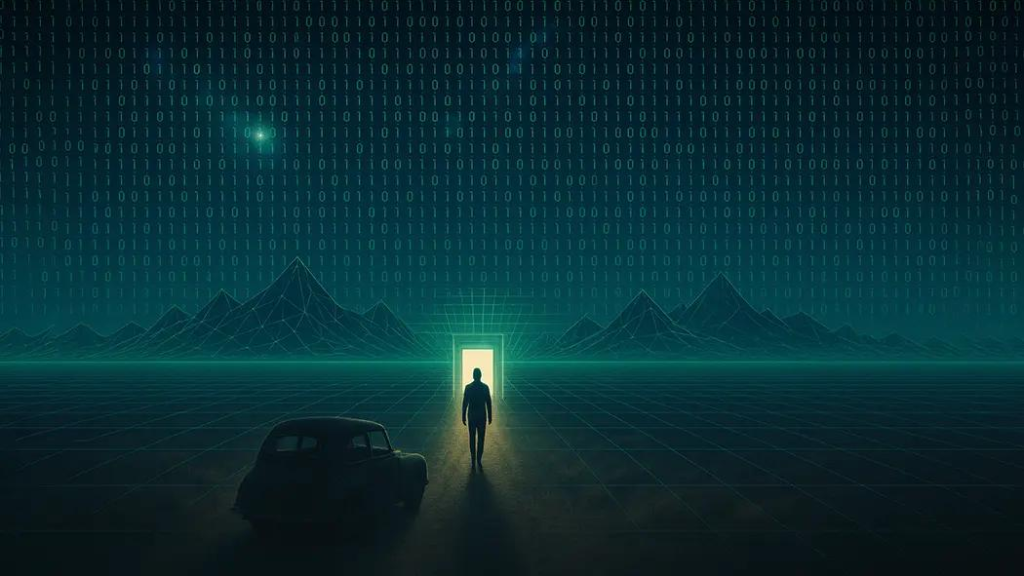
Hey everyone, have you ever had that strange thought that maybe the world around us isn’t exactly what it seems? What if everything we see the sky, the people even our daily lives is actually part of a huge simulation like a super advanced video game? The Simulation Hypothesis is a fascinating idea that makes us question reality itself and wonder whether our universe could be created by something far beyond us. It sounds like science fiction but the more you think about it, the more intriguing it becomes and that’s what makes this topic so exciting to explore.
What Is the Simulation Hypothesis
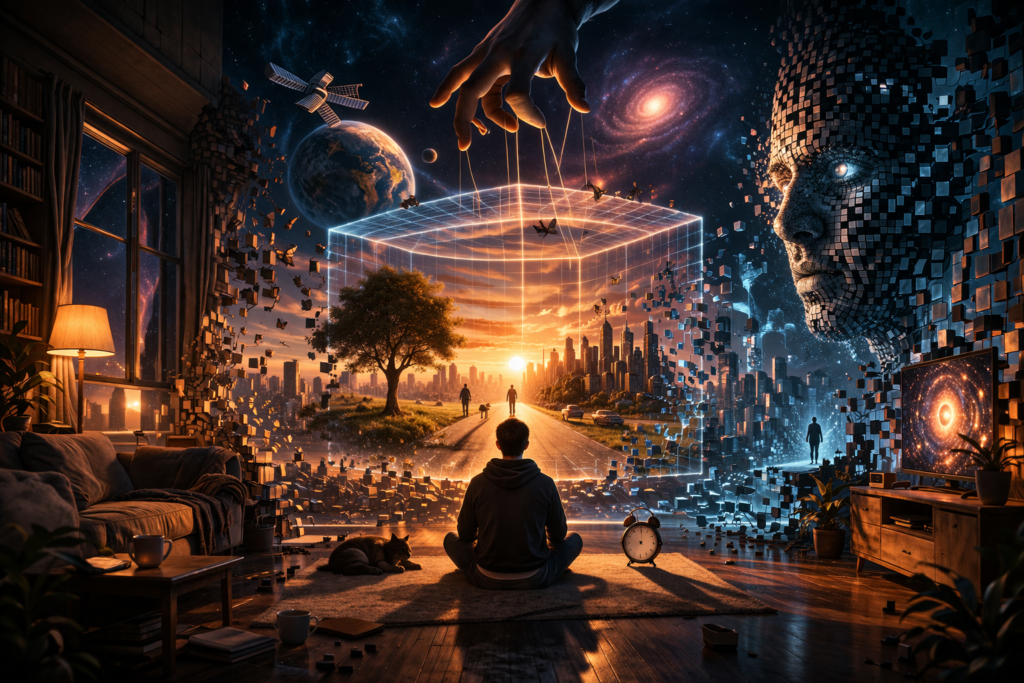
The simulation hypothesis suggests that the reality we experience might not be fundamental but instead a highly advanced artificial environment. Everything from physical objects to our thoughts could be generated by some underlying system similar to how characters exist inside a video game.
The Core Argument Behind It
The idea gained modern attention through Nick Bostrom. He argued that if future civilizations have the power to run detailed simulations of conscious beings then it’s statistically more likely that we are inside one of those simulations rather than living in the original base reality.
Philosophical Roots
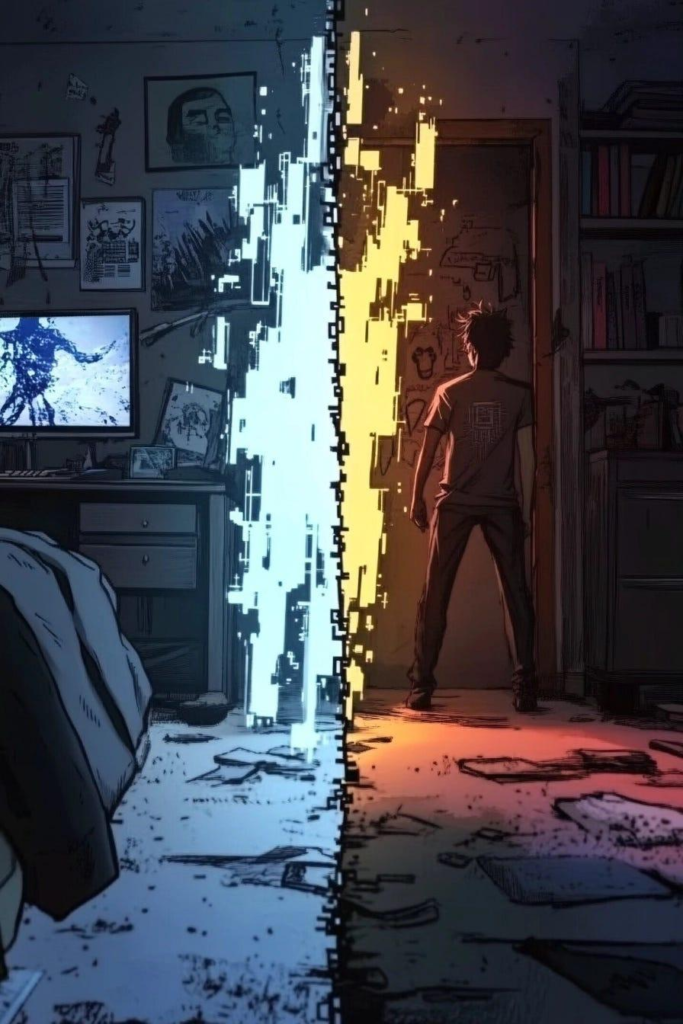
Long before modern technology, philosophers questioned whether our senses truly reflect reality. This concept appears in The Matrix where humans unknowingly live in a simulated world. Similar ideas exist in thought experiments like the “brain in a vat” where reality could be entirely fabricated yet still feel real.
Scientific Perspective
Some scientists have explored whether the universe shows signs of being “computed,” such as having discrete structures or rule-based behavior. However, there is no solid experimental evidence to support the idea and it remains a speculative concept rather than a proven theory.
Implications for Life and Meaning
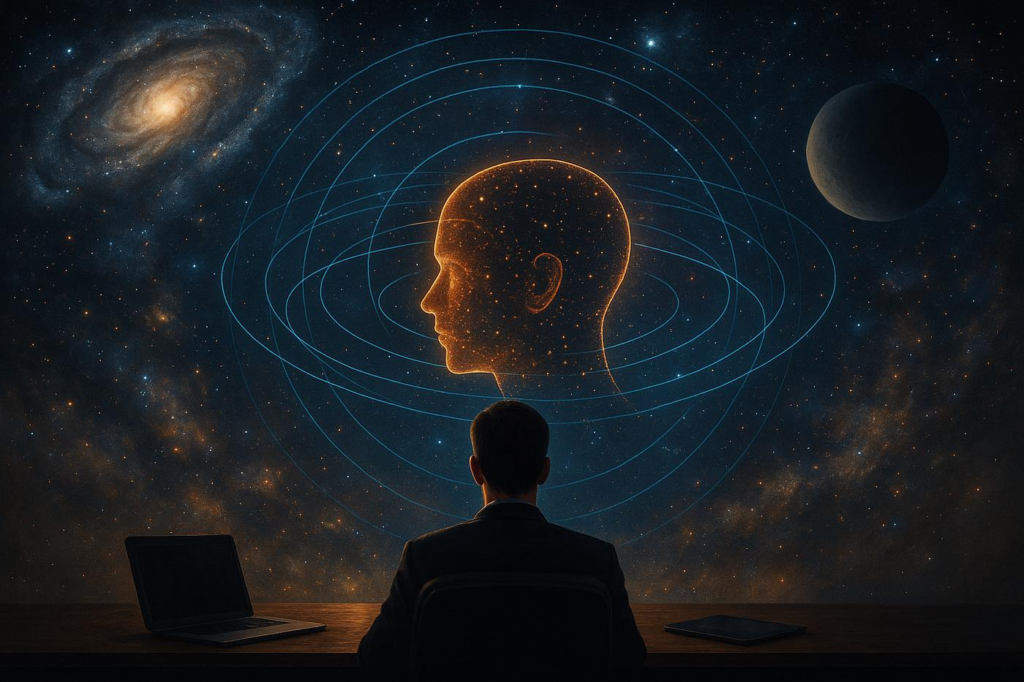
If reality were simulated, it would raise deep questions about free will, identity and purpose. Still, many argue that meaning doesn’t disappear because our experiences, emotions and choices feel real, regardless of their origin.
Criticism and Limitations
A major criticism is that the hypothesis cannot currently be tested or falsified. Without a way to observe or interact with anything outside the supposed simulation, it stays within the realm of philosophy rather than empirical science.
Why It Matters
Even if it’s never proven, the simulation hypothesis challenges you to think more deeply about what “real” actually means. It highlights how much of reality we take for granted and how little we may truly understand about the nature of existence.