
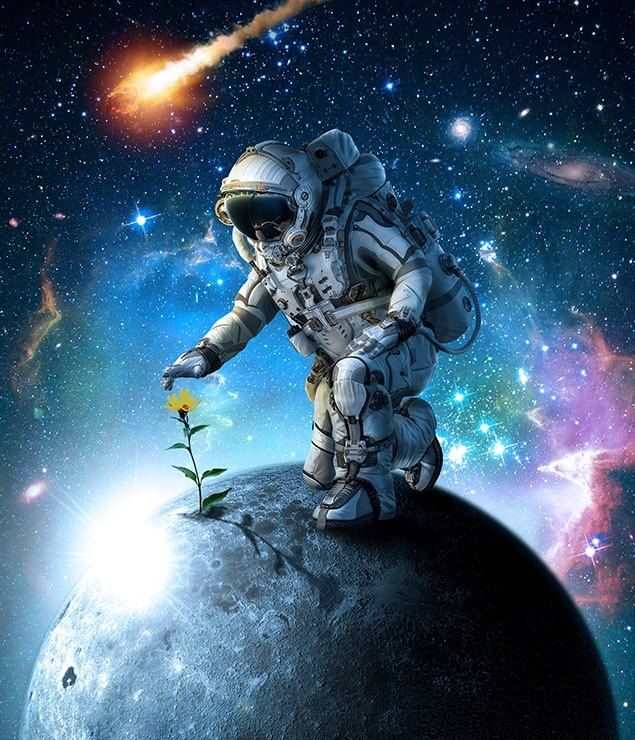
Full Pink Moon
Hello, moon lovers and admirers of the night sky!
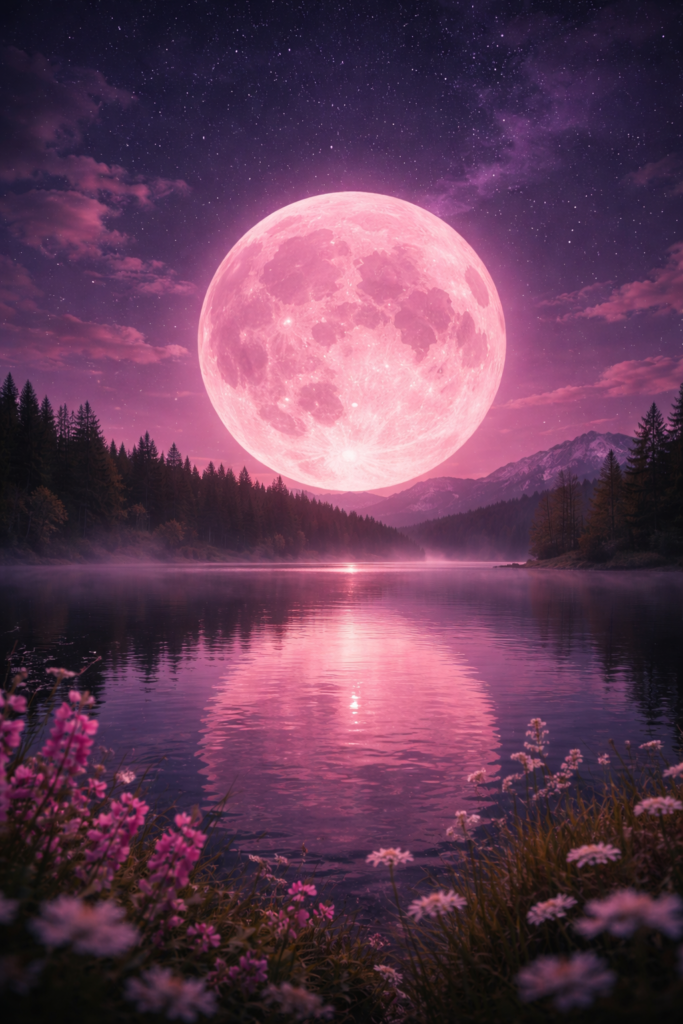
As spring unfolds, the heavens offer a softer yet equally mesmerizing spectacle the glow of the Full Pink Moon. Rising gently into the evening sky, this luminous full moon carries a sense of renewal, reflecting the changing season below. Despite its name, the moon doesn’t actually turn pink instead it draws inspiration from the early spring blooms that paint the Earth in delicate shades of color.
This celestial moment marks more than just a full moon it’s a quiet celebration of nature’s awakening. Its radiant presence has guided traditions, stories and seasonal rhythms for centuries connecting us to both the sky above and the life stirring around us.
In this guide, we’ll explore the meaning behind the Full Pink Moon, what makes it special and how you can fully experience its serene beauty as it lights up the spring night.
What is the Full Pink Moon?
The Full Pink Moon is the name given to the full moon that occurs in April each year. Despite its name, the moon does not usually appear pink in color. The term comes from seasonal traditions rather than its actual appearance. This full moon marks one of the first major lunar events of spring in the Northern Hemisphere, symbolizing renewal, growth and the transition from colder months into warmer days.
Origin of the Name
The name “Pink Moon” originates from Native American and early colonial naming traditions. It is linked to the blooming of a wildflower known as Phlox subulata (also called moss pink) which spreads vibrant pink colors across the ground in early spring. These names were used to track seasons and natural cycles helping communities stay connected to agriculture and environmental changes.
Cultural and Historical Significance
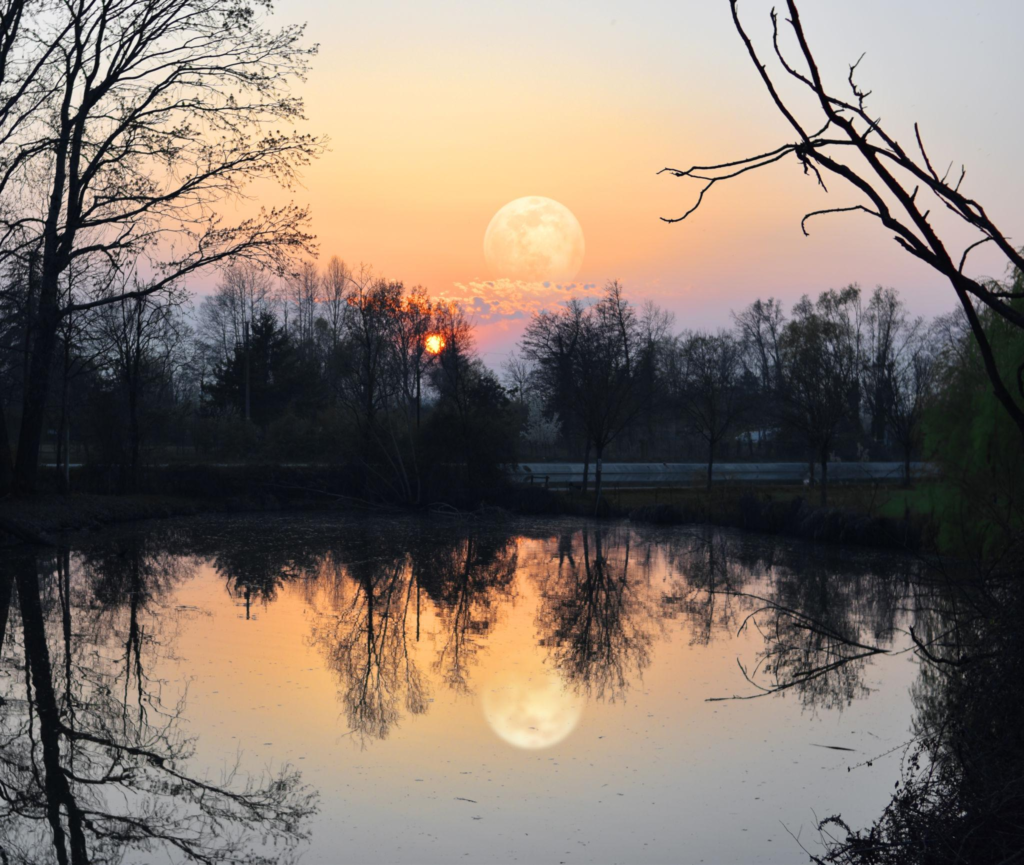
The Full Pink Moon has held meaning across different cultures and traditions. In some Christian traditions, the April full moon is used to determine the date of Easter making it especially significant in religious calendars. Other cultures have associated this moon with fertility, rebirth and new beginnings aligning with the broader theme of springtime renewal. Various regions also have alternative names such as the Sprouting Grass Moon or Egg Moon.
Why It Sometimes Looks Pink (or Not)
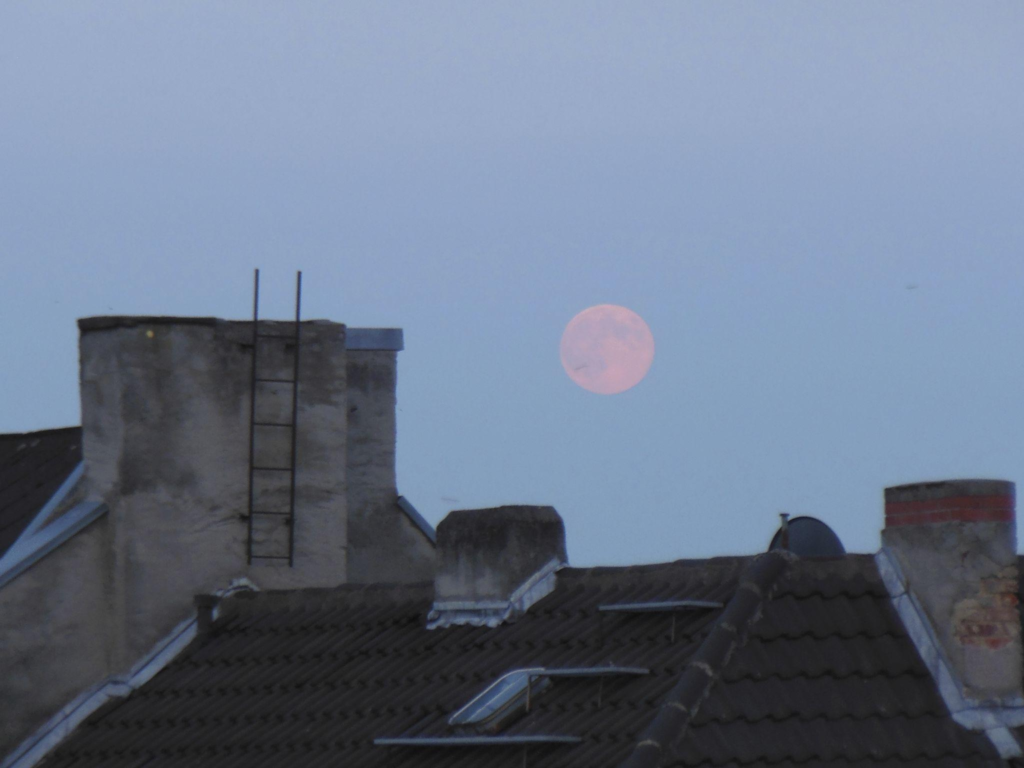
Although it’s called the Pink Moon, the moon itself rarely turns pink. However, during moonrise or moonset, it can appear slightly pink, orange or golden. This happens due to atmospheric scattering where Earth’s atmosphere filters shorter wavelengths of light and allows warmer tones to dominate. Dust, pollution and humidity can enhance this effect giving the moon a soft rosy glow near the horizon.
When and How to See It
The Full Pink Moon usually occurs in April but the exact date changes every year based on the lunar cycle. It is best viewed just after sunset when it rises in the eastern sky or before sunrise when it sets in the west. To enjoy the best view:
- Choose a location away from city lights
- Look for a clear horizon
- Use binoculars for added detail (optional)
Even without equipment, the full moon is bright and easily visible to the naked eye.
Symbolism and Meaning
Beyond astronomy, the Full Pink Moon represents growth, transformation and fresh beginnings. It arrives at a time when nature is reawakening trees are budding, flowers are blooming and the air feels alive again. For many people, it’s also a moment for reflection, setting intentions or simply appreciating the beauty of the natural world.