
Eta Aquariid Meteor Shower
Hey!
So imagine stepping outside just before dawn when the world is still quiet and the sky is fading from deep blue to soft light… and suddenly, a streak of light cuts across the darkness. Then another. And another. Like the sky is gently sprinkling sparks for anyone patient enough to watch.
That’s the magic of the Eta Aquariid meteor shower.
Now here’s what makes it even cooler these meteors are actually tiny bits of space debris left behind by the legendary Halley’s Comet. Every year, Earth passes through this trail and those particles burn up in our atmosphere, creating those quick, glowing streaks we call shooting stars.
It’s not a loud or dramatic event. It’s quiet almost secretive. The best time to catch it is in the early morning hours when most people are still asleep… which makes it feel like the universe is putting on a private show just for you.
Some years you might see just a few meteors. Other times, if the conditions are right, they appear one after another fast, bright and gone in a heartbeat.
So… if you ever get the chance to wake up early, look up and just watch for a while you might just catch the sky telling its story in flashes of light.
Ready? Let’s explore the Eta Aquariids
What is the Eta Aquariid Meteor Shower
The Eta Aquariid meteor shower is one of the most beautiful annual meteor showers visible from Earth. It happens every year when our planet passes through a stream of dust and debris left behind by the famous Halley’s Comet. As these tiny particles enter Earth’s atmosphere at high speed, they burn up and create bright streaks of light what we call meteors or “shooting stars.”
Where does it come from?
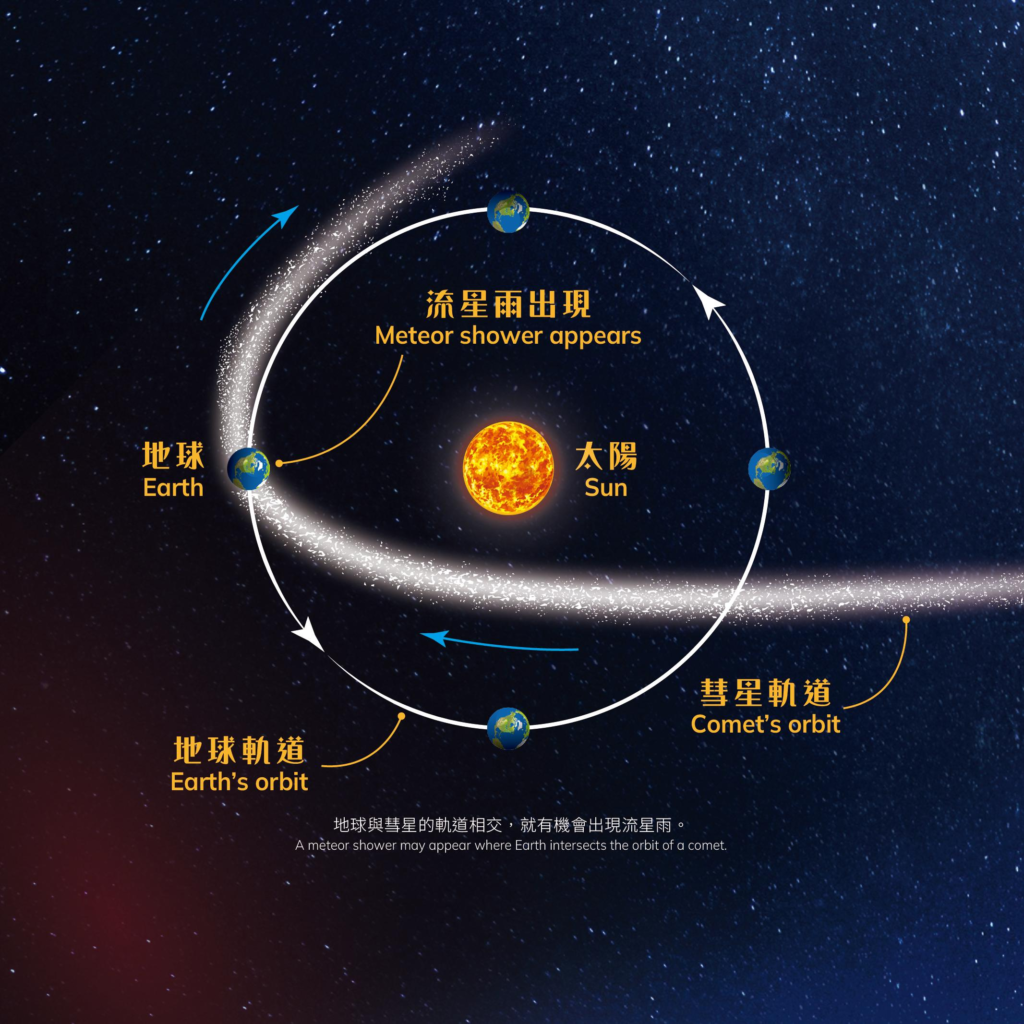
The source of this meteor shower is the long trail of dust left by Halley’s Comet over thousands of years. Even though the comet itself only swings by Earth about once every 76 years, its debris remains scattered along its orbit. Every May, Earth moves through this dusty path and that’s when the Eta Aquariids appear.
The meteors seem to radiate from the constellation Aquarius which is why they’re called “Eta Aquariids.” The name comes from a bright star in that constellation called Eta Aquarii.
When does it happen?
The Eta Aquariid meteor shower usually runs from mid-April to late May with its peak occurring in early May. During the peak nights, the number of visible meteors increases significantly.
The best time to watch is just before dawn. At that time, your location on Earth is facing directly into the stream of incoming particles, making meteors more frequent and easier to spot.
How many meteors can you see?
The number of meteors varies depending on where you are. In the Southern Hemisphere, this shower is especially strong you might see up to 40–60 meteors per hour under ideal conditions. In the Northern Hemisphere, the rate is usually lower, around 10–30 meteors per hour.
Even if you don’t see dozens, the quality of these meteors makes up for it. They are known for being fast and often leave glowing trails behind them that linger for a few seconds.
Why are these meteors special?
Eta Aquariid meteors travel extremely fast about 65–70 km per second. Because of this high speed, they often create long, bright streaks across the sky. Some even produce persistent glowing trails that twist and fade slowly.
Another unique feature is how graceful and smooth they appear. Instead of quick flashes, many of them glide across the sky, making them especially satisfying to watch.
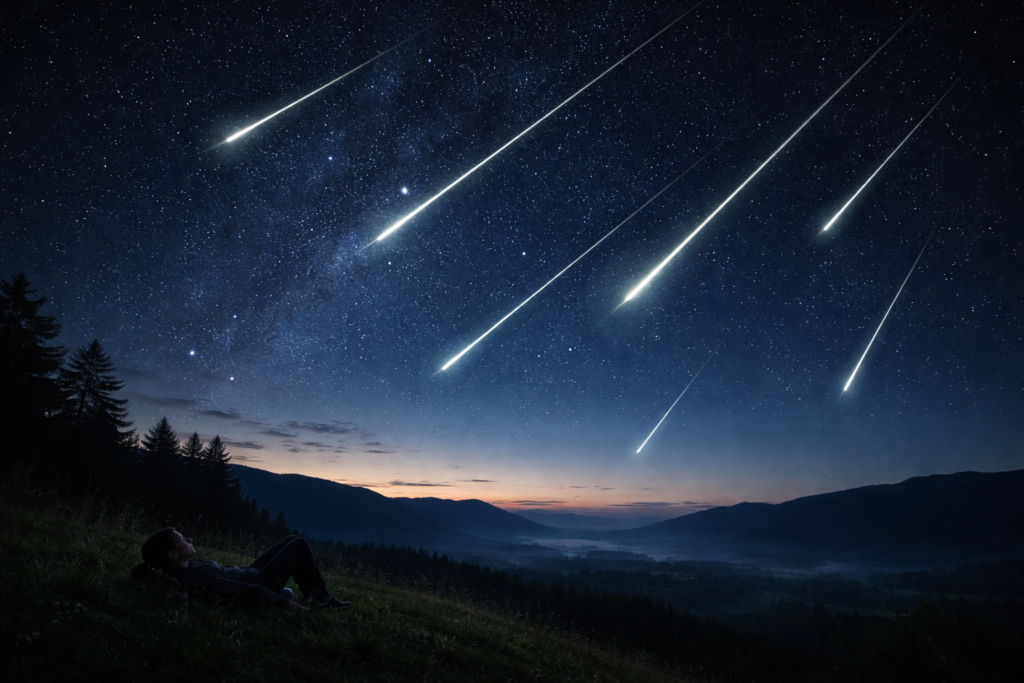
Best way to watch it
You don’t need any special equipment to enjoy this meteor shower just your eyes and a bit of patience.
- Find a dark place away from city lights
- Lie down or sit comfortably so you can see a wide area of the sky
- Give your eyes 15–20 minutes to adjust to the darkness
- Look generally toward the sky (not directly at Aquarius)
Clear skies and minimal moonlight will give you the best experience.
Why does it matter?
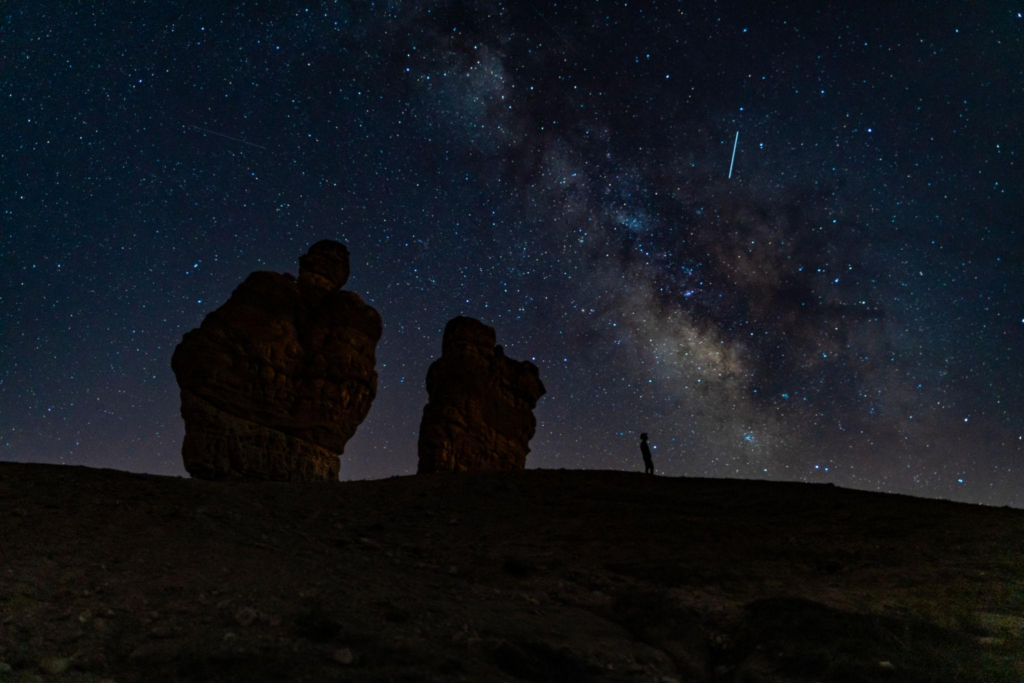
Meteor showers like the Eta Aquariids are more than just pretty sights they are reminders of our connection to the wider universe. Every streak you see is a tiny piece of a comet that has been traveling through space for thousands of years.
Watching them can feel surprisingly personal. It’s a quiet moment where science, time and beauty come together and for a few seconds, you get to witness something that started its journey long before us.