
Earthshine
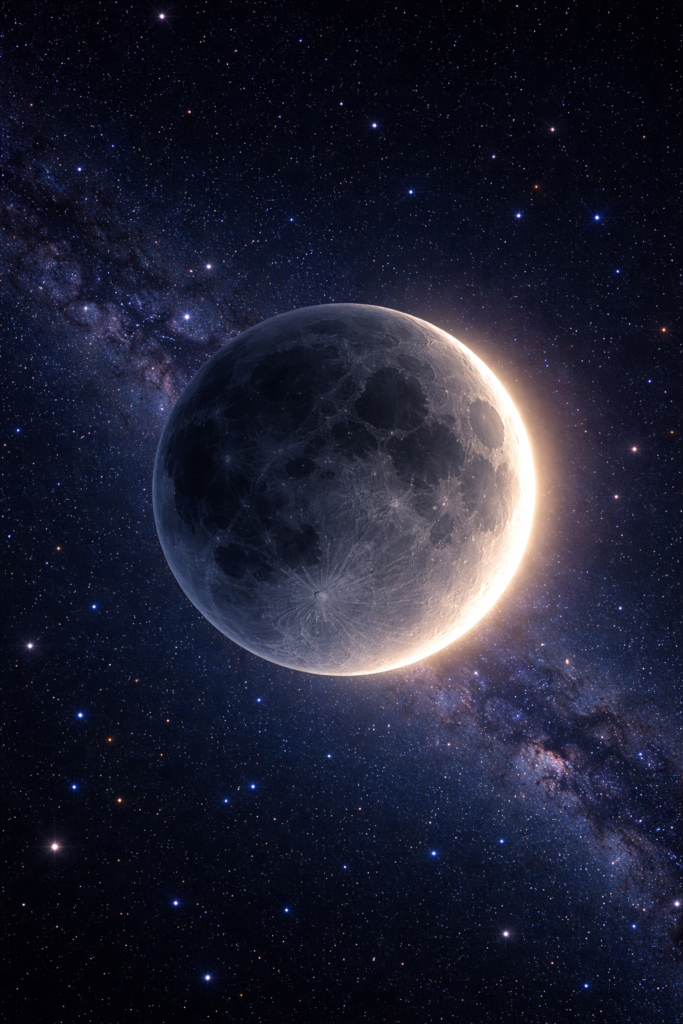
Ever noticed how sometimes the Moon looks like a thin silver crescent… but the rest of it is still faintly glowing?
It’s almost like the dark side isn’t really dark at all just quietly lit as if holding onto a secret.
That soft glow is called earthshine.
It happens when sunlight reflects off Earth, travels across space and gently lights up the Moon’s shadowed side. For a moment, you’re not just seeing the Moon you’re seeing a reflection of our own planet shining back at it.
It’s subtle, easy to miss… but once you see it, it feels like Earth and the Moon are sharing a quiet conversation across the sky.
What is Earthshine?
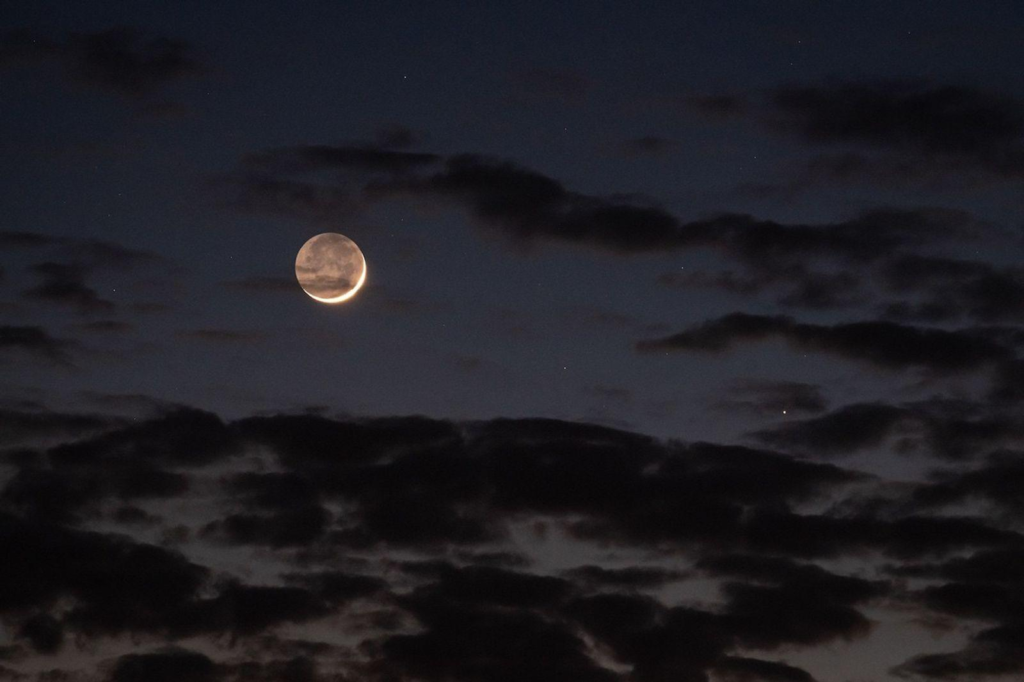
Earthshine is the soft, ghostly glow that lights up the darker portion of a crescent Moon. Even when only a thin sliver of the Moon is directly illuminated by the Sun, the rest of its surface can still be faintly visible. This happens because sunlight reflects off Earth, travels through space and gently illuminates the Moon’s night side. So in a way, when you see earthshine, you’re actually watching Earth acting like a giant mirror in space.
How does it happen?
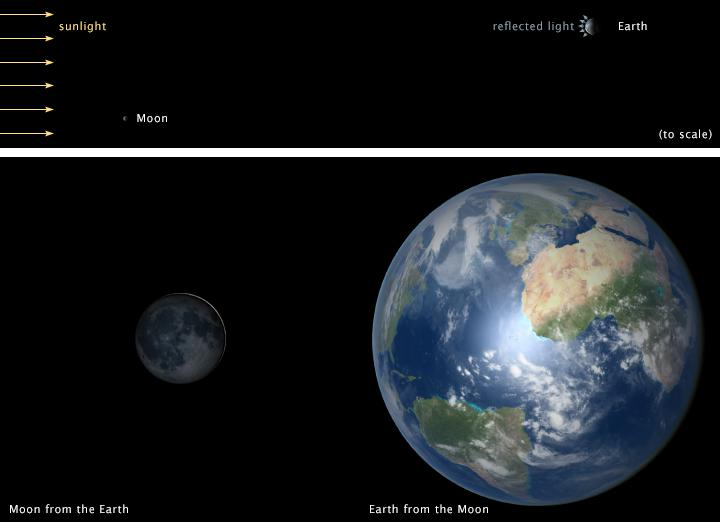
The process is beautifully simple. Sunlight first hits Earth and gets reflected outward especially by clouds, oceans and ice which are highly reflective. This reflected light then reaches the Moon and softly illuminates the part that isn’t directly facing the Sun.
From our perspective on Earth, we see two types of light on the Moon at once:
- The bright crescent: directly lit by the Sun
- The dim glow: lit indirectly by Earth
Interestingly, if you were standing on the Moon during this time, you’d see a bright “full Earth” in your sky much brighter than our full Moon appears to us.
When can you see Earthshine?
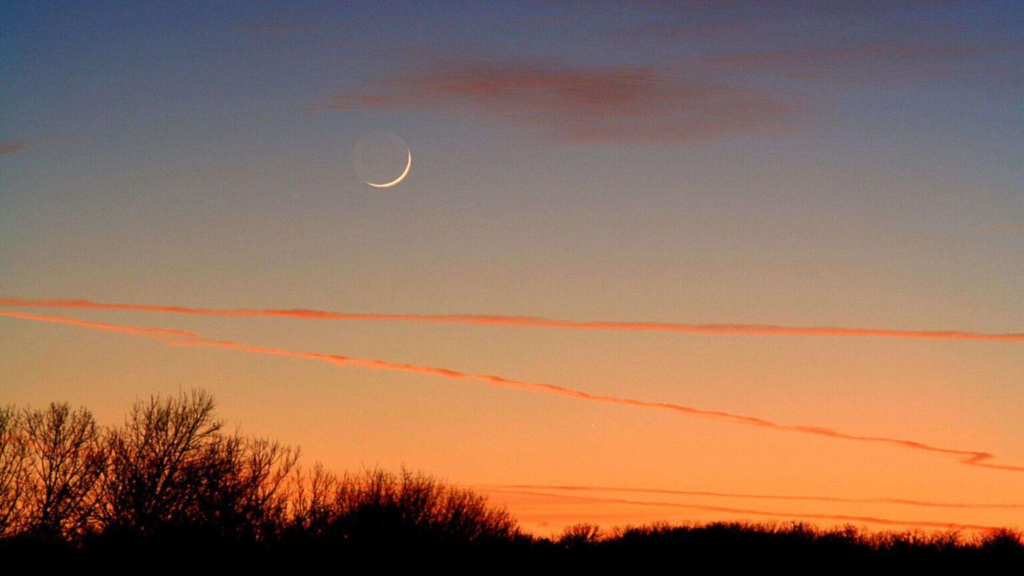
Earthshine is easiest to spot during the early and late phases of the Moon:
- Just after sunset (waxing crescent)
- Just before sunrise (waning crescent)
At these times, the Moon is only a slim crescent making the contrast between the bright and dim parts more noticeable. Clear skies and low light pollution make it even easier to observe.
A bit of history
Earthshine has fascinated observers for centuries. Leonardo da Vinci was one of the first to correctly explain it around the early 1500s. He realized that the glow on the Moon’s dark side was caused by sunlight reflecting off Earth a remarkably accurate insight for his time, long before modern astronomy tools existed.
Why it matters
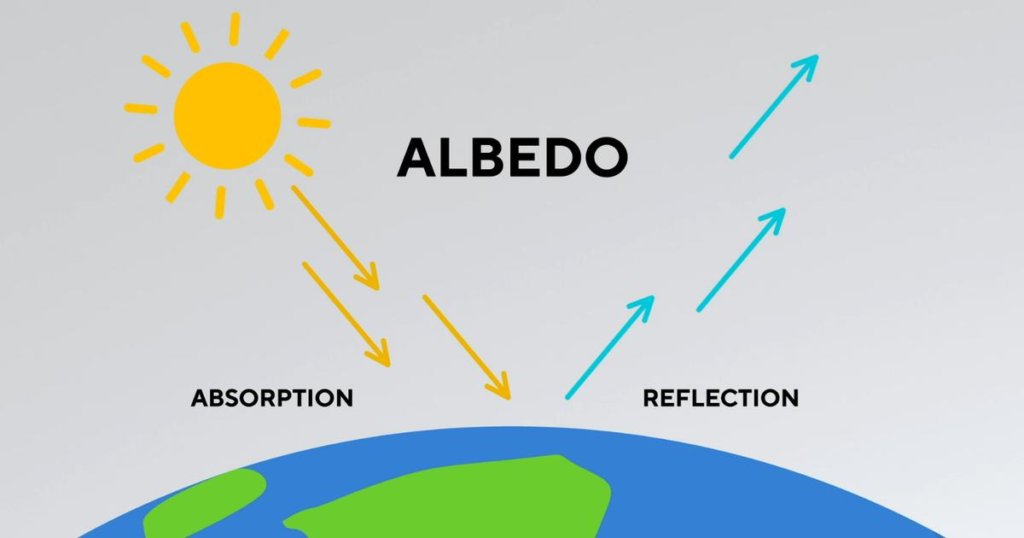
Earthshine isn’t just beautiful it’s scientifically useful. By studying how much light Earth reflects (called albedo) scientists can learn about:
- Cloud cover and weather patterns
- Climate changes over time
- The reflectivity of Earth’s surface
Astronomers even use earthshine as a model for studying distant planets. By observing how Earth’s light looks when reflected off the Moon, they can better understand how to detect signs of life or atmospheres on exoplanets.
A quiet connection
Earthshine is one of those small, easily overlooked phenomena that quietly connects everything the Sun, Earth and Moon in a single loop of light. It turns a simple crescent into something deeper, reminding us that even in darkness, there’s often a softer light coming from somewhere else.