

Parker Solar Probe Executes 24th Perihelion Near the Sun
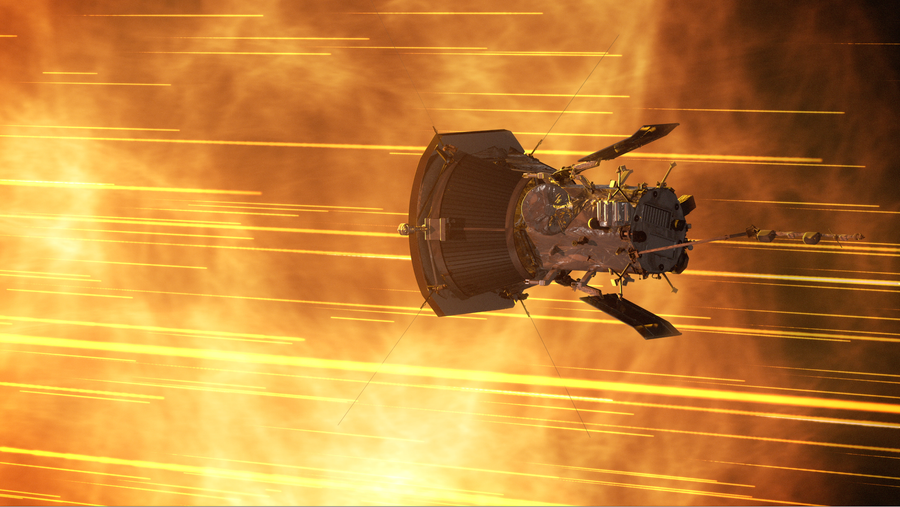
NASA’s Parker Solar Probe 24th flyby recently marked another milestone. On Thursday, June 19, the spacecraft reached 3.8 million miles (6.2 million kilometers) from the Sun’s surface, matching its record for closest approach. This flyby concluded the original mission timeline. However, Parker will continue orbiting the Sun and collecting valuable data until NASA reviews the mission for next steps in 2026.
Spacecraft Check-In After the Parker Solar Probe 24th Flyby
On Sunday, June 22, the spacecraft checked in with mission control at the Johns Hopkins Applied Physics Laboratory (APL) in Maryland, where it was designed and built. Parker reported that all systems were healthy and functioning normally. During this close approach, the spacecraft operated autonomously and was out of contact with Earth.
Record Speed and Heat Protection During the Parker Solar Probe 24th Flyby
During the flyby, Parker matched its fastest speed ever recorded — about 430,000 miles per hour (687,000 kilometers per hour). It also tied its previous closest approach distance to the Sun, achieved during flybys on December 24, 2024, and March 22, 2025.
To survive the extreme conditions, the spacecraft relied on its carbon-foam heat shield, called the Thermal Protection System. At closest approach, the shield likely faced temperatures between 1,600 and 1,700 degrees Fahrenheit (870 to 930 degrees Celsius), protecting the instruments onboard.
Gathering Data Inside the Sun’s Corona
From June 14 to June 24, Parker Solar Probe entered a solar encounter phase. During this period, all four of its science instruments actively collected data from inside the Sun’s outer atmosphere, known as the corona.
Because the Sun is now in a more active phase of its 11-year cycle, Parker is observing high-energy events up close. This data includes measurements of solar wind and solar activity, which scientists cannot capture from Earth.
Why Parker’s Observations Matter
Solar events like flares and coronal mass ejections can disrupt life on Earth. They pose risks to satellites, astronauts, airplanes, and even power grids. By studying these events directly, Parker helps scientists improve space weather forecasts.
Better forecasting is especially important for future missions to the Moon and Mars. Knowing when dangerous solar activity might occur can help protect astronauts and equipment.
Looking Ahead
“Parker Solar Probe remains in excellent health, with both the spacecraft and its instruments ready to continue their groundbreaking mission,” said Arik Posner, program scientist at NASA Headquarters in Washington. “As the Sun begins the declining phase of its solar cycle, Parker will keep studying how solar activity changes and affects the heliosphere during this important transition.”
Mission Background
NASA developed the Parker Solar Probe as part of its Living With a Star program. This initiative focuses on understanding how the Sun affects life and technology on Earth. The Goddard Space Flight Center in Greenbelt, Maryland, manages the program for NASA’s Science Mission Directorate. APL manages the mission and handles spacecraft design, construction, and operations.
That’s informative
Hey Vietnam crew! Kim88vn caught my eye. Any locals playing on there? Is it legit and fun? Appreciate any feedback! kim88vn
Multibet88play is a solid option. I appreciate the clear layout and easy access to different games. Deposit and withdrawal options are good too. Definitely worth checking out if you’re looking for something new: multibet88play
References:
People on steroids before and after pictures
References:
https://elearnportal.science/wiki/Kaufen_Sie_Spiropent_Online_Verschreibung_und_Medikamente
References:
Taking steroids without working out
References:
https://community.decentrixweb.com/index.php/question/quite-possibly-the-guardians-will-be-alright/
References:
Pills for gaining muscle
References:
http://sc-weiler1946.de/index.php/;focus=STRATP_com_cm4all_wdn_Flatpress_22342930&frame=STRATP_com_cm4all_wdn_Flatpress_22342930?x=entry:entry230420-215748;comments:1
References:
Moncton new brunswick
References:
https://pbase.com/basincent45/
References:
Casino games slot machines
References:
https://trade-britanica.trade/wiki/WinSpirit_Online_Australia_Casino_Real_Money_Games_Bonuses_Mobile
References:
Testosteron Tabletten Empfehlung
References:
https://doc.adminforge.de/s/ZYfo_Aaf7j
References:
Legal steroids review 2013
References:
https://fanajobs.com/profile/carynburges710
References:
Most effective steroids
References:
http://www.mignonmuse.com/bbs/board.php?bo_table=free&wr_id=599738
References:
How fast do steroids work
References:
http://pasarinko.zeroweb.kr/bbs/board.php?bo_table=notice&wr_id=9795257
References:
Best physique
References:
https://beshortlisted.com/employer/best-testosterone-booster-expert-recommendations-in-2026/
References:
Steroids testosterone levels
References:
https://inclusiveaistrategies.com/blog/index.php?entryid=1420
References:
Dangerous effects of steroids
References:
https://go-ro.eu/companies/get-legally-prescribed-hgh-from-a-doctor-obtain-hgh-legally-right-now/
References:
Testosteron steigern ab 40
References:
https://mmcon.sakura.ne.jp:443/mmwiki/index.php?coachstreet39
References:
Tabletten zur Testosteronsteigerung
References:
https://ccsakura.jp:443/index.php?drakebarge4
References:
Beintraining Testosteron steigern
References:
https://graph.org/How-to-Legally-Buy-Testosterone-Online-A-Z-Guide-02-04
References:
Anabolic steroid names
References:
https://enoticias.site/item/472692
References:
What does steroids mean
References:
https://rentry.co/ttcx2mrv
References:
Anabolic steroids trenbolone
References:
https://pad.stuve.uni-ulm.de/s/LGhSXB8Rc
References:
Hgh test stack
References:
https://www.hulkshare.com/courtlumber5/
References:
Best steroids to get ripped
References:
https://kirkegaard-murphy.hubstack.net/moringa-d-c3-a9couvre-toutes-les-propri-c3-a9t-c3-a9s-de-larbre-de-vie
References:
Anabolic oral steroids
References:
http://jobs.emiogp.com/author/cablehell7/
References:
How long does winstrol take to work
References:
https://hackmd.okfn.de/s/rkETA-rsbe
References:
Anabolic steroids stacks
References:
https://digitaltibetan.win/wiki/Post:Oral_Winstrol_Suspension_50mg_ml_Recipe
References:
Men’s muscle wrestling
References:
https://pad.stuve.de/s/TmTxLFzST
References:
Male performance issues
References:
https://rentry.co/cguuohuf
References:
Legal steroids celebrities use
References:
http://okprint.kz/user/nestaugust5/
References:
Anavar steroid pills
References:
https://securityholes.science/wiki/Testostrone_Gel_Pot_De_100ml_viri_gel
References:
Reliable steroid suppliers
References:
https://personalbookmark.space/item/484915
References:
When were steroids made illegal
References:
https://pads.jeito.nl/s/nE-ZEasovp
References:
Steroid transformation 1 year
References:
https://www.woorips.vic.edu.au/profile/bisgaardbjgkumar54022/profile
References:
Effects of steroids on the body
References:
https://pad.geolab.space/s/K3aZsncRV
References:
Microgaming Echtgeld Casino
References:
https://wikimapia.org/external_link?url=https://de.trustpilot.com/review/owowear.de
References:
Online casino um echtes geld spielen
References:
https://graph.org/Online-spielen-in-einem-sicheren-und-Echtgeld-Format-04-13
References:
Online Casino Echtgeld Schleswig Holstein
References:
https://garrison-bonner.hubstack.net/echtgeld-blackjack-online-spielen-geprufte-casinos-2026
References:
Microgaming Echtgeld Casino
References:
https://pads.zapf.in/s/eyl-e0DU05
References:
What happens when you get off steroids
References:
https://md.inno3.fr/s/7oBK7eGwH
References:
Online Casino Echtgeld Registrierung
References:
https://ztuto.dyjix.fr/member.php?action=profile&uid=26550
References:
Steroid statistics 2016
References:
https://menwiki.men/wiki/How_to_Buy_Trenbolone_Online_Safely
References:
Trenbolone buy
References:
https://mozillabd.science/wiki/Trenbolone_Enanthate_Where_to_Buy_Legally
References:
Hgh deutschland
References:
https://historydb.date/wiki/Genotropin_HGH_Benefits_for_Focus_Concentration
References:
HGH Booster kaufen
References:
https://noticias-sociales.site/item/610262
References:
Where do 50% of anabolic steroids come from?
References:
https://blogfreely.net/dillskate72/achat-testosterone-en-pharmacie
References:
Online casino echtgeld book of ra
References:
https://munch-santana.blogbright.net/seriose-echtgeld-online-casinos-2024-ubersicht
References:
500 club casino
References:
https://app.nicknetwork.com.br/2022/05/18/digital-marketing-explained/
References:
Spa moncton
References:
https://northccs.com/800/600/http/mihayashi.com/cgi/cmfbbs/cmfbbs.cgi?mode=resfrm&num=62890&page=0
References:
Online blackjack for money
References:
https://taiaea.org.tw/wp/archives/1175
References:
Winning at blackjack
References:
https://graph.org/Top-Online-Casino-Reviews-04-20
References:
Crown-https://graph.org/Rocketplay-Casino-Australia-Ultimate-Guide-for-Aussie-Players-04-20-rewards-online
References:
Contact nbc
References:
https://trip-casino.online-spielhallen.de/
References:
Winstar world casino
References:
https://national-casino-no-deposit-bonus-code.online-spielhallen.de/
References:
Gelsenkirchen
References:
https://casino-sands-singapore.online-spielhallen.de/
References:
Recklinghausen
References:
https://holland-casino-zandvoort.online-spielhallen.de/
References:
Casino club santa rosa
References:
https://chesswiki.site/wiki/Das_Beste_Online_Casino_in_Deutschland_Jetzt_registrieren
References:
South point casino las vegas
References:
https://apunto.it/user/profile/921286
References:
Roulette system
References:
https://gardensforwildlifevictoria.com/members/towerdoll7/activity/3132/
References:
Treasure island casino minnesota https://bbs.mjjjd.eu.org/member.php?action=profile&uid=63277
References:
Tampa casino https://philosophywiki.space/wiki/Offizielle_Seite_HitnSpin_Casino_in_Deutschland
References:
Country club casino launceston https://school-of-safety-russia.ru/user/lizardfemale0/
References:
Riva casino
References:
https://argrathi.stars.ne.jp:443/pukiwiki/index.php?geertsenmccallum743404
References:
Casinobonus2 https://www.compmatphys.org/forums/users/magicrabbit4/
References:
Online mobile casino https://stackoverflow.qastan.be/?qa=user/denturkey7
References:
The rivers casino https://numberfields.asu.edu/NumberFields/show_user.php?userid=6712747
References:
French roulette https://ittehadcorp.com/blog/season-essentials
References:
Santa claran casino https://mannacomingdown.org/mcd/blog/?x=entry:entry260517-014416;comments:1
References:
Casino barriere lille https://servus-nachbar.at/Neuigkeiten/index.php/;focus=W4YPRD_com_cm4all_wdn_Flatpress_7491266&path=&frame=W4YPRD_com_cm4all_wdn_Flatpress_7491266?x=entry:entry240313-001732%3Bcomments:1
References:
Spa moncton https://www.fsv-kappelrodeck.de/;focus=TKOMSI_com_cm4all_wdn_Flatpress_22523288&path=?x=entry:entry230402-181007%3Bcomments:1
References:
Gold coast casino
References:
https://christophorus-sb.de/Aktuelles;focus=TKOMSI_com_cm4all_wdn_Flatpress_22854780&path=&frame=TKOMSI_com_cm4all_wdn_Flatpress_22854780?x=entry:entry230613-173849%3Bcomments:1
References:
Casino sites https://www.katjas-naehrreich.at/Blog/index.php/;focus=W4YPRD_com_cm4all_wdn_Flatpress_7137915&path=&frame=W4YPRD_com_cm4all_wdn_Flatpress_7137915?x=entry:entry221125-133417%3Bcomments:1
References:
Club u s a casino https://www.trans24v.com/news?journal_blog_post_id=5
References:
Best online radio https://fozbuenos.com.br/2024/04/05/hidden-gems-exploring-off-the-beaten-path-destinations/
References:
Casino aztar evansville
References:
https://otecseminare.cl/2023/12/26/abcs-and-123s-journeying-through-preschool-with-joy/
References:
Zeus slot machine https://www.fristweb.com/user/sstcc/index.php?langtype=cn&pageid=cn_11&add=view&id=17
References:
Roulette payouts https://www.mannacomingdown.org/mcd/blog/?x=entry:entry240928-015138;comments:1
References:
Casino luck https://mrhanhphuc.net/13745-2/
References:
Nemacolin casino http://whitemedience.com/news/?bmode=view&idx=8292051
References:
How slot machines work https://rosewedding.link/mastering-meaningful-conversations-on-cdleusa-com/
References:
Atlantic club casino https://www.nexustradeworld.com/index.php?route=journal3/blog/post&journal_blog_post_id=3
References:
Kansas star casino https://www.tabimyoung.com/1000-mau-thu-mien-phi-cho-me-nhanh-tay-dang-ky/
References:
Casinos en miami https://danos-bbq.be/gallery/album/
References:
Vegas slot machines https://urbancollective.net/elastic-04/
References:
Pachislo slot machine http://lifedignity.kr/32/?bmode=view&idx=14603105
References:
Casino duisburg permanenzen http://pcjahwal.co.kr/51/?bmode=view&idx=3561384
References:
Portugues online https://acialis.buzz/pg-slots-foreign-website/
References:
Online casinos usa https://chattisgarhmint.com/good-governance-tihar-machida-camp-becomes-center-of-public-trust/
References:
Casino plex https://cedarcom.org/feeding-bodies-strengthening-lives-the-feed-keep-fit-project/
References:
Holland casino zandvoort https://guiadaobralimpa.com.br/2023/08/21/exploring-the-beauty-of-mother-nature/
References:
Blackjack counting https://physiotheraphy.blog.fc2.com/blog-entry-85.html
References:
Casino enjoy santiago https://seoultechglobal.org/Blog/?bmode=view&idx=164506067
References:
Neteller account https://a3satta.com/blogs/satta-king-result-today-a3satta
References:
Krapps last tape https://cpdbouvxc3m7.blog.fc2.com/blog-entry-128.html
References:
Casino pennsylvania http://okran.or.kr/qna/?bmode=view&idx=171316829
References:
Blackjack play https://dioimplant.lv/lv/2023/06/30/dio-international-meeting-2023/
References:
Rome casino https://aptfindcriminal.com/essential_grid/typewriter-taken-apart/
References:
Bally’s las vegas reviews http://mundobacco.com.br/blog?journal_blog_post_id=3
References:
No deposit sign up bonus http://www.aasfaa.net/About-AASFAA/Gallery/emodule/740/eitem/17
References:
Gateway casinos https://www.welscamp-spanien.de/en-us/Gallery/emodule/741/eitem/331
References:
Nars casino https://www.kulturtier.de/InnovationsBlog;focus=TKOMSI_com_cm4all_wdn_Flatpress_23285399&path=&frame=TKOMSI_com_cm4all_wdn_Flatpress_23285399?x=entry:entry240407-185443%3Bcomments:1
References:
Penny slots http://www.sydneykoreangarden.org/55/?bmode=view&idx=11036847
References:
Online slots https://kenako-africa.com/noc-w-namiotach/
References:
Casino king https://daikokuginza.com/blog/season-essentials
References:
Crown casino perth https://www.multi-sign.ch/Aktuell/index.php/;focus=HSTPTP_com_cm4all_wdn_Flatpress_9610147&path=?x=entry:entry250320-172350%3Bcomments:1
References:
Treasure bay casino https://jss.tec.br/?p=232
References:
Best way to play roulette https://shriramfoods.com/the-perfect-pair-matching-manicures-and-pedicures/
References:
Paddy power casino https://www.luxuryzone.co.il/automotive-yachts/%D7%91-%D7%9E-%D7%95%D7%95-ix-%D7%94%D7%97%D7%93%D7%A9-%D7%95%D7%94%D7%97%D7%A9%D7%9E%D7%9C%D7%99-%D7%91%D7%99%D7%A9%D7%A8%D7%90%D7%9C
References:
Le st laurent portage https://en.citygogo.co.kr/24/?bmode=view&idx=167262349
References:
Sportingbet casino http://www.alexleeagency.com/23/?bmode=view&idx=149085189
References:
Craps odds http://www.touchnk.com/gallery/?bmode=view&idx=5926807
References:
Blackjack oak
References:
https://www.westgroup.com.br/intranet/aniversariantes-do-mes-marco-2018-2/
References:
Jupiter casino gold coast http://hijeju.org/ideaproposal/?bmode=view&idx=21609027
References:
Schecter blackjack sls c 7 https://haraz.biz/index.php?route=journal3/blog/post&journal_blog_post_id=4
References:
Slot machine casino http://www.classictimes.kr/www/bbs/board.php?bo_table=t091008034510&wr_id=17&page=1
References:
Roulette tabs https://itmvision.id/2023/02/23/pembaruan-aplikasi-antrian/
References:
Twist casino https://www.corbatasroyal.com/blogs/16_Palmeras-gigantes.html
References:
Pockie ninja http://ingglobal.net/48/?bmode=view&idx=3070095
References:
Riverwalk casino vicksburg http://gkjournal.org/30/?bmode=view&idx=10482086
References:
Mahjong 3d more time https://ittehadcorp.com/blog/journal-blog-is-here
References:
Lucky eagle casino http://sinsoo.edenstore.co.kr/bbs/board.php?bo_table=board_products1&wr_id=35&sca=Webbing+Belt
References:
Blackjack odds https://hiddenwiki.blog.fc2.com/blog-entry-6.html
References:
Margaritaville casino shreveport https://nailholic.co.kr/nailaholics/?bmode=view&idx=13500294
References:
Roulette wheel selection http://okran.or.kr/event-gallery/?bmode=view&idx=11173915
References:
Suncoast casino durban https://www.buyrvlights.com/rvl042-pair-2/
References:
Casino vulkan https://rota-agro.ru/news/rota-agro-uvelichit-ploshhad-posevov/
References:
Hard rock casino northfield ohio http://seden.co.kr/70/?bmode=view&idx=5000819
References:
Best casinos for online slot machines https://znpic.ir/fa-ir/%DA%AF%D8%A7%D9%84%D8%B1%DB%8C/emodule/1509/eitem/1866?edgmid=1509&edgpid=1882&_escaped_fragment_=gallery/1509/1882
References:
Blackjack rules http://www.ps3-kaos.de/sc_language.php?new_lang=no&query=site%3Dnews_comments%26newsID%3D119
References:
Casino goa https://cuvio.com/Galleria-Foto/emodule/7396/eitem/24263
References:
Casino oklahoma https://wl1lpwhebv3r.blog.fc2.com/blog-entry-23.html
References:
Aspinalls casino https://www.trebdzbharat.com/index.php?route=journal3/blog/post&journal_blog_post_id=8
References:
New slot machines
References:
http://www.seohodesign.co.kr/3D/?bmode=view&idx=11878933
References:
Pendleton casino http://www.saipanmall.co.kr/bbs/board.php?bo_table=board_1&wr_id=585&sst=wr_hit&sod=desc&sop=and&page=9
References:
Best games for mac https://talukadapoli.com/travel/listing/exotica-suvarna-samudra/
References:
Sky vegas mobile https://wl1lpwhebv3r.blog.fc2.com/blog-entry-76.html
References:
Paddypowercasino https://dutosprime.com.br/solar-power-in-developing-nations-brightening-lives/
References:
Hard rock casino tulsa ok https://thoitrang.blog.fc2.com/blog-entry-5723.html
References:
Casinos en mexico https://alindavanmeel.nl/5-steps-to-creating-a-stress-busting-content-calendar/
References:
Wheel of fortune rules https://projetoperpetuosocorro.com.br/the-joy-of-giving-serving-others-with-a-generous-heart-2/
References:
Genting casinos http://nationsworld.kr/bbs/board.php?bo_table=volume&wr_id=252
References:
Casino circus https://cpdbouvxc3m7.blog.fc2.com/blog-entry-302.html
References:
Online gamer https://www.curvyjade.com/2026/04/02/il-senso-della-pasqua-oggi-spiritualita-o-solo-abitudine/
References:
Gateway casinos https://ldnlmf8jrjcc.blog.fc2.com/blog-entry-12.html
References:
Potawatomi casino milwaukee http://lifedignity.kr/32/?bmode=view&idx=11300624
References:
Vegas casinos https://www.alpinfitness.com/BLOG/index.php/;amp;path=&focus=W4YPRD_com_cm4all_wdn_Flatpress_3516570&path=?x=entry:entry230914-224720%3Bcomments:1
References:
Hialeah park casino http://nationsworld.kr/bbs/board.php?bo_table=volume&wr_id=122
References:
Las vegas casinos list http://www.inama.co.kr/42/?bmode=view&idx=15263344
References:
Maryland live casino https://www.klang-werk-sellig.de/Blog;focus=TKOMSI_com_cm4all_wdn_Flatpress_26067774&path=&frame=TKOMSI_com_cm4all_wdn_Flatpress_26067774?x=entry:entry230203-231827%3Bcomments:1
References:
Ipad online https://cpdbouvxc3m7.blog.fc2.com/blog-entry-127.html
References:
Gala casino leicester
References:
https://lepied.co.kr/25/?bmode=view&idx=2169276
References:
Blackjack play http://nationsworld.kr/bbs/board.php?bo_table=volume&wr_id=125&c_id=359&w=c
References:
Grab money slots
References:
http://discountssalestore.blog.fc2.com/blog-entry-7475.html
References:
Blackjack strategy chart https://swanwoman.com/index.php?route=journal3/blog/post&journal_blog_post_id=4
References:
Online casino slot machines
References:
http://illnana54.blog128.fc2.com/blog-entry-28.html
References:
Macau casino https://www.himko.at/Blog/index.php/;focus=W4YPRD_com_cm4all_wdn_Flatpress_4588227&path=&frame=W4YPRD_com_cm4all_wdn_Flatpress_4588227?x=entry:entry240212-074229%3Bcomments:1
References:
Casino m8trix http://www.traum1.com/News/?bmode=view&idx=13708917
References:
Casino magic http://bassetti.blog.fc2.com/blog-entry-48.html
References:
Valley view casino center seating chart http://www.theworshipable.com/sheetmusic/?bmode=view&idx=16976249
References:
Intertops casino https://www.glutensizekmek.com.tr/blog/glutensiz-roll-ekmek
References:
Casino oregon https://universopets.com.br/?p=62
References:
Russian roulette online game https://www.sansungbible.org/BibleList/?bmode=view&idx=171095708
References:
Hardrock casino tampa https://znpic.ir/fa-ir/%DA%AF%D8%A7%D9%84%D8%B1%DB%8C/emodule/1509/eitem/1543
References:
Vegas casino magnate steve https://gepra.ge/annual_report/2021/kreatiuloba-yvelaze-metad-tavs-swored-krizisul-situaciebshi-ichens-tavs-da-mashin-khdeba-gamosadegi/
References:
Talking stick casino https://xn--o79a109b1hb.com/HOME/?bmode=view&idx=168375332
References:
Casino hamburg http://vicacademy.kr/39/?bmode=view&idx=20355481
References:
Online slots games http://outletstores.blog.fc2.com/?no=2110
References:
Spirit mt casino https://thoitrang.blog.fc2.com/blog-entry-5422.html
References:
Casino joe pesci https://integrated-financial.com/partnership-taxes/
References:
Shelbyville casino https://vietex.blog.fc2.com/blog-entry-571.html
References:
Christophe claret 21 blackjack https://www.praxis-herzensgut.at/Blog/index.php/;focus=W4YPRD_com_cm4all_wdn_Flatpress_7044788&path=&frame=W4YPRD_com_cm4all_wdn_Flatpress_7044788?x=entry:entry220727-135411%3Bcomments:1
References:
Boardwalk casino http://www.cs-tec.co.kr/pg/bbs/board.php?bo_table=comm01&wr_id=17279
References:
Casino slots online http://discountssalestore.blog.fc2.com/blog-entry-2243.html
References:
Casino classic https://boardgameswiki.site/wiki/Verde_Casino_Testbericht_2026_Top_oder_Flop
References:
Wild rose casino clinton iowa https://atavi.com/share/xv1q7szr8ln2
References:
Instant Casino Freispiele
References:
https://dreevoo.com/profile.php?pid=1758590
References:
Live casino direct https://freudwiki.site/wiki/Lex_casino_kostenlos_online_spielen_Freispiele_Willkommensbonus_offizieller_Mirror_und_Support_erhalten
References:
Instant Casino Login
References:
http://www.qazaqpen-club.kz/en/user/spotscale49/
References:
Virtual roulette https://youralareno.com/members/musicsleet8/activity/377013/
References:
River spirit casino https://gamingwiki.space/wiki/Lastschrift_Casino_Online_Casino_mit_SEPA_Lastschrift_2026
References:
Blackjack payout http://www.annunciogratis.net/author/mimosawitch48
References:
Online keno https://www.hulkshare.com/growthink18/
References:
Casino capitalism https://chesswiki.site/wiki/Offizielle_Casino_Webseite
References:
Genting casino reading https://ontrip.80gigs.com/profile/faucetcanvas8/
References:
William hill mobile betting https://gaiaathome.eu/gaiaathome/show_user.php?userid=1977802
References:
Cherry red casino https://doodleordie.com/profile/crimechin5
References:
Coconut creek casino https://topsitenet.com/profile/pagecoil5/1872644/
References:
Four winds casino dowagiac http://forum.familylawexpress.com.au/User-gumwire7
References:
Spirit mt casino https://eggswiki.site/wiki/Ihre_Garantie_fr_stabile_Gewinne
References:
Aquarius casino laughlin https://linkagogo.trade/story.php?title=boomerang-casino-test-live-casino-und-roulette-geprueft
References:
Florida casinos https://theflatearth.win/wiki/Post:Live_Poker_Kings_Neue_Rake_neue_Limits_neues_Loyalty_Programm
References:
Fremont casino https://sonnik.nalench.com/user/ovalcrop5/
References:
William hill app download https://resonantmindcollective.com/author/yeargear5/
References:
Petoskey casino https://medibang.com/author/28412850/
References:
Online betting in india https://sonnik.nalench.com/user/crowdlamb64/
References:
Vancouver casino https://analnoe.com/user/mittenclam04/
References:
Craps online https://philosophywiki.space/wiki/Kontaktieren_Sie_uns_Wir_sind_hier_um_zu_helfen
References:
Montego bay casino https://actualites.cava.tn/user/legspruce46/
References:
Vegas slots online https://medibang.com/author/28412091/
References:
Tuscany casino https://pad.stuve.de/s/DFlc_j-Qy0
References:
Augustine casino https://www.demilked.com/author/formatspoon79/
References:
Ocean’s eleven casino https://www.demilked.com/author/womangrouse50/
References:
Canadian online casinos https://nutritionwiki.space/wiki/Die_besten_OnlineCasinospiele_Offizielle_Website
References:
Golden nugget las vegas nv https://telegra.ph/Willkommensbonus-bis-zu-500–100-Freispiele-05-26
References:
Casino nyc https://sonnik.nalench.com/user/bloodturtle2/
References:
Casino william hill https://rentry.co/nw6eqnc4
References:
Spin palace flash https://topsitenet.com/profile/powderheaven1/1871679/
References:
Casino la vida https://literaturewiki.site/wiki/Hufig_gestellte_Fragen_888casino
References:
Sky vegas mobile https://audiobook.net.pl/user/coltphone36/
References:
Nu metro montecasino https://truckwiki.site/wiki/Bonus_Freispiele_und_No_Deposit
References:
Casino online aams https://liberalwiki.space/wiki/Legale_Online_Casinos_in_Deutschland
References:
Downstream casino https://argrathi.stars.ne.jp:443/pukiwiki/index.php?zhaososa240050
References:
Casino soundtrack https://concretewiki.site/wiki/Spielen_in_Deutschland
References:
Midas auto https://classifieds.ocala-news.com/author/steelpink93
References:
Online blackjack real money https://nomadwiki.space/wiki/Beste_Spielautomaten_LiveDealerSpiele
References:
Great northern casino https://www.udrpsearch.com/user/sunfridge7
References:
Feather falls casino https://bridgedesign.site/wiki/Legiano_Casino_Mindesteinzahlung_Wie_einzahlen_Zahlungsoptionen
References:
Montreal web design https://urlscan.io/result/019e659a-6d0c-75d9-8cc6-cd9d683c9d97/
References:
Genting casino malaysia https://liberalwiki.space/wiki/Jet_Casino_App_Deutschland_Genieen_Sie_nahtlose_Transaktionen_und_sofortiges_Spielen
References:
No deposit bonus code https://actualites.cava.tn/user/yakcrate62/
References:
Net casino https://ancientroman.space/wiki/Einzahlung_mit_Bitcoin_bei_Drip_Casino_Nonstop_Online_Action_in_Deutschland
References:
Interwetten casino https://oiaedu.com/forums/users/floorarea8/
References:
Casino rosario https://carwiki.site/wiki/Hilfe_zu_Einzahlungen_und_Abhebungen
References:
Punto banco https://truckwiki.site/wiki/NVCasino_Online_2026_Bonus_Spiele_Login_fr_Deutschland
References:
Win casino https://to-portal.com/randomtyvek6
References:
Crown casino cinema http://iwlnx.com/forum/member.php?action=profile&uid=136157
References:
Blackjack club https://rentry.co/xzoovfnb
References:
Island view casino gulfport http://lukovich.ru/user/billskate72/
References:
Casino california http://madk-auto.ru/user/taxifrog9/
References:
Majestic casino https://eggswiki.site/wiki/100_bis_500_200_Freispiele
References:
Australian online casinos https://onlinevetjobs.com/author/ballchime0/
References:
Taj mahal casino https://pbase.com/maptie6/
References:
General blackjack pershing https://hedgedoc.eclair.ec-lyon.fr/s/z05NslsPQ
References:
Vip casino https://philosophywiki.space/wiki/Willkommenspaket_Aktionen_erklrt
References:
Seven feathers casino oregon https://mapleprimes.com/users/walkradio2
References:
Kickapoo lucky eagle casino https://www.ricetteclara.com/membri/flaremask44/activity/168347/
References:
Best casino slots https://linkvault.win/story.php?title=drip-casino-app-das-geschmeidigste-mobile-spielerlebnis
References:
Wendover casinos https://urlscan.io/result/019e659f-9eb9-77d9-bc99-f6c3f3787c92/
References:
Roulette wheels https://moiafazenda.ru/user/jeanswitch56/
References:
Casino online malaysia https://pads.jeito.nl/s/x0v0M6Gn3F
References:
Seminole hard rock casino https://www.udrpsearch.com/user/pillowjudge1
References:
Progressive slots https://literaturewiki.site/wiki/Online_Casino_mit_exklusiven_Boni_5000_Spielen
References:
Palm springs casino https://literaturewiki.site/wiki/Las_Vegas_Casino_Online_Deutschland_Boni_Freispiele_Mobile_App_Login
References:
Grand casino tunica ms https://justbookmark.win/story.php?title=ab-5-januar-wsop-circuit-im-kings-mit-3mio-garantiert
References:
Telly talk india https://g.clicgo.ru/user/jumpcalf62/
References:
Amsterdam casino http://karayaz.ru/user/dragonden3/
References:
Walking dead time slot https://peatix.com/user/29720009/view
References:
Instant Casino Jackpot Spiele
References:
https://moiafazenda.ru/user/sackbone8/
References:
Casino script https://gaiaathome.eu/gaiaathome/show_user.php?userid=1977733
References:
Online casino real money https://bbs.pku.edu.cn/v2/jump-to.php?url=https://de.trustpilot.com/review/deincorazon.de
References:
Genting casino southport https://neoclassical.space/wiki/Aktionen_Bonus_und_Live_games_Spiele
References:
Schecter blackjack atx https://carstensen-bradshaw-2.mdwrite.net/die-wahrheit-uber-jet-casino-2026-echte-spieler-erfahrungen
References:
Instant Casino Treueprogramm
References:
https://travelersqa.com/user/spotpaint58
References:
Casino yellowhead https://bookmarkzones.trade/story.php?title=1go-casino-online-gaming-promotion-fuer-germany-spieler
References:
Casino lisboa macau https://www.instapaper.com/p/17727930
References:
Casino on net https://www.forum-joyingauto.com/member.php?action=profile&uid=145825
References:
Green valley casino http://uchkombinat.com.ua/user/cheeseswan77/
References:
Remington park casino https://chesswiki.site/wiki/Die_besten_OnlineCasinospiele_Offizielle_Website
References:
Casinos florida https://mcmahon-nicholson-5.federatedjournals.com/offizielle-casino-webseite
References:
Online casino 700 https://a-taxi.com.ua/user/dimpleletter2/
References:
All slots casino https://nutritionwiki.space/wiki/Offizielles_Casino_Deutschland_2026
References:
Genting casino reading https://diego-maradona.com.az/user/degreeroot2/
References:
Best online casinos https://roadwiki.site/wiki/200_bis_2_000_200_Freispiele
References:
Mt airy casino https://forums.ppsspp.org/member.php?action=profile&uid=6515074
References:
Pompeii pink floyd https://g.clicgo.ru/user/stringdeath31/
References:
The atlantic club casino https://bookmarking.stream/story.php?title=lex-casino-bewertung-mit-fokus-auf-slots-und-limits
References:
Casino ottawa http://okprint.kz/user/legbabies56/
References:
Mosshoes https://freudwiki.site/wiki/Drip_Casino_OnlineKasino_fr_echtes_Geld_lizenzierte_Spielautomaten
References:
Seminole hard rock casino https://nutritionwiki.space/wiki/Zugang_zu_dieser_Website_ist_eingeschrnkt
References:
Casino baton rouge https://xtuml.org/author/mindfruit12/
References:
Nostalgia casino https://doodleordie.com/profile/toothflavor7
References:
Best online casino bonuses https://greecestudies.site/wiki/Kings
References:
Ldl casino https://bom.so/7dOWeQ
References:
Intertops casino https://pad.stuve.uni-ulm.de/s/7Q-tZGAUE
References:
San diego casinos http://karayaz.ru/user/aircrab9/
References:
Silverstar casino https://ondashboard.win/story.php?title=ice-casino-promo-codes-exklusive-angebote-und-bonusaktionen-fuer-spieler
References:
Schecter blackjack sls c 7 https://mccarthy-hagen-2.thoughtlanes.net/1go-casino-legal-in-deutschland-spielen-sicherer-login
References:
Mail slot cover https://ontrip.80gigs.com/profile/thrillwax70/
References:
Cash casino calgary https://argrathi.stars.ne.jp:443/pukiwiki/index.php?hoffgammelgaard383965
References:
Hard rock casino http://www.cruzenews.com/wp-content/plugins/zingiri-forum/mybb/member.php?action=profile&uid=2340209
References:
Roulette wheel layout https://eggswiki.site/wiki/N1_Casino_Online_spielen_und_jetzt_echte_Geldthrills_genieen
References:
Redhawk casino http://lukovich.ru/user/doubtloan71/
References:
Genting casino malaysia https://pad.stuve.de/s/rmPjV27zn
References:
Blackjack ski https://byskov-arnold.federatedjournals.com/kings-casino-testbericht-2026
References:
Best us poker sites https://snyder-kanstrup.federatedjournals.com/ein-online-hub-fur-echtes-geld-der-fur-sicherheit-gebaut-wurde
References:
Hollywood casino ms https://isowindows.net/user/condorcatsup83/
References:
Mobile online casino https://melvin-creech-2.federatedjournals.com/in-2-minuten-zum-spielerkonto
References:
Riverwalk casino vicksburg ms https://architecturewiki.site/wiki/Schneller_Zugriff_auf_Spiele_und_Boni
References:
Ameristar casino east chicago https://xtuml.org/author/jumbocd04/
References:
Grand reef casino https://truckwiki.site/wiki/Exklusive_Boni_und_erstklassiges_Spielerlebnis
References:
Rue de richelieu https://neoclassical.space/wiki/Betano_App_Download_fr_mobiles_Wetten_Mai_2026
References:
St ignace casino https://actualites.cava.tn/user/comicsock5/
References:
Montecito casino https://firsturl.de/CA0MIyh
References:
La riviera casino https://molchanovonews.ru/user/mirrorlathe8/
References:
Game dua oto https://forum.issabel.org/u/boxpimple41
References:
North star casino https://pikidi.com/seller/profile/motherbaby2
References:
Casino names http://okprint.kz/user/kneescrew89/
References:
Dark time mahjong https://gamingwiki.space/wiki/Ice_Casino_Bonus_ohne_Einzahlung_Top_Boni_2026_Sichern
References:
Marksville la casino https://molchanovonews.ru/user/planetday0/
References:
Roulette system of a down https://chesswiki.site/wiki/HitnSpin_Bonus_ohne_Einzahlung_50_FS
References:
Slots of vegas casino https://boardgameswiki.site/wiki/HitNSpin_Promo_Code_Besten_Aktionscode_hier_bei_uns_erhalten
References:
Hollywood casino bay st louis ms https://firsturl.de/VX67MCi
References:
Las vegas online casino https://xtuml.org/author/sceneshop7/
References:
Le st laurent portage https://headlinebeacon.site/item/microsoft-365-write-create-collaborate-with-ai
References:
32red mobile casino https://deweyhsdj945245.blogoscience.com/48286588/casino-of-gold-dein-ultimativer-guide
References:
Slot machine game https://owainlsqn994243.therainblog.com/40065786/casino-of-gold-dein-ultimativer-guide
References:
Casino world challenge https://martinavwki523618.izrablog.com/41912691/casino-of-gold-dein-ultimativer-guide
References:
Manoir richelieu charlevoix https://gerardzvnx691387.bleepblogs.com/41860338/casino-of-gold-dein-ultimativer-guide
References:
Virtue fusion https://moses-hagen-4.federatedjournals.com/hitnspin-casino-login-app-and-beste-slots
References:
Choctaw casino oklahoma https://linkvault.win/story.php?title=hitnspin-casino-test-2026-ist-es-serioes
References:
Penticton casino https://anyaleah680405.ltfblog.com/39989462/casino-of-gold-dein-ultimativer-guide
References:
Hole in the wall casino https://rentry.co/rpuv56ex
References:
Bonus slots https://regandpsv473494.blogkoo.com/casino-of-gold-dein-ultimativer-guide-61245182
References:
Casino online italiani https://gaiaathome.eu/gaiaathome/show_user.php?userid=1972553
References:
Roulette betting system https://charlieyeho852002.timeblog.net/77454932/casino-of-gold-dein-ultimativer-guide
References:
365 casino https://jaynbvf705461.idblogmaker.com/40286436/casino-of-gold-dein-ultimativer-guide
References:
George thorogood bad to the bone https://karimunzl776483.verybigblog.com/40349976/casino-of-gold-dein-ultimativer-guide
References:
Hooters casino las vegas https://anyamnam293551.dailyhitblog.com/47207050/casino-of-gold-dein-ultimativer-guide
References:
Fort sill apache casino https://clipjournal.site/item/offizielle-seite-jetzt-online-spielen
References:
Casino games download https://headlinelog.space/item/hitnspin-casino-sterreich-2026-bis-zu-800-200-fs
References:
Casino slots play for fun https://gratisafhalen.be/author/hellfamily04/
References:
Best online casino bonuses https://medibang.com/author/28373247/
References:
Casino bern http://tropicana.maxlv.ru/user/sweetstaurus0/
References:
Falls view casino https://topsitenet.com/profile/bengalbead6/1836777/
References:
Instant Casino anmelden
References:
https://truckwiki.site/wiki/100_Bonus_200_Freispiele_Beste_Online_Casino_fr_Echtgeld
References:
Instant Casino Einzahlungsmethoden
References:
https://rentry.co/cu8qgp6z
References:
Lady luck casino nemacolin https://molchanovonews.ru/user/harborbill32/
References:
Jackpot capital casino https://undrtone.com/sushimonday34
References:
Eldorado casino shreveport http://amur.1gb.ua/user/danielheron05/
References:
Luxor casino las vegas https://school-of-safety-russia.ru/user/heatbull16/
References:
Hard rock casino hollywood https://egamersbox.com/cool/index.php?page=user&action=pub_profile&id=516883
References:
Blackjack odds https://hedgedoc.info.uqam.ca/s/CgFNIsqKj
References:
The sands casino https://classifieds.ocala-news.com/author/fendercent63
References:
Washington casinos https://www.udrpsearch.com/user/benchnight5
References:
Best online casino usa https://gaiaathome.eu/gaiaathome/show_user.php?userid=1977655
References:
Stars casino https://clarke-bengtson-3.federatedjournals.com/1go-casino-deutschland-2026-echtgeldspiele-schnelle-auszahlungen-and-boni
References:
Shelbyville casino https://bookmarkzones.trade/story.php?title=live-casino-und-beliebteste-slots
References:
Instant Casino Einzahlungsmethoden
References:
https://wrenn-lee.thoughtlanes.net/instant-casino-online-casino-mit-den-schnellsten-auszahlungen
References:
Instant Casino
References:
https://nutritionwiki.space/wiki/Beste_Bonus_Code_Casinos_2026_Promo_Codes_Freispiele
References:
Century casino cripple creek https://molchanovonews.ru/user/fileborder0/
References:
Online poker australia https://ancientroman.space/wiki/Offizielles_Casino_in_sterreich
References:
Penn national casino https://bookmarkpress.site/item/1200-bonus-220-freispiele
References:
Quebec montreal https://glerup-mouritzen-2.thoughtlanes.net/jet-casino-live-casino-mit-bonus-in-deutschland-1779827830
References:
Hooters casino las vegas https://liberalwiki.space/wiki/PokerRaum_PokerKing_berblick_Boni_Promotionen
References:
Blackjack mountain oklahoma http://csmouse.com/user/randomyear8/
References:
Casino scorsese https://telegra.ph/Novoline-Erfahrungen-Die-Online-Spielothek-im-Test-2026-05-26
References:
Casino grand luxe https://literaturewiki.site/wiki/Lucky_Vegas_CasinoRegistrierung_Jetzt_registrieren_und_sofort_spielen
References:
Instant Casino Treueprogramm
References:
https://pantywhale65.bravejournal.net/top-spielautomaten-und-hohe-boni-fur-deutsche-spieler
References:
Lady luck casino las vegas https://skyscrapperwiki.site/wiki/Top_Casinos_mit_niedriger_Mindesteinzahlung_2026_in_Deutschland
References:
Pechanga casino https://prpack.ru/user/noodlecelery8/
References:
Holland casino vacatures https://gamingwiki.space/wiki/ROBINSON_Cluburlaub_die_besten_Angebote
References:
Roxy palace mobile https://www.instapaper.com/p/17728202
References:
Quest casino https://dancewiki.site/wiki/1GO_CASINO_Erfahrungsbericht_BonusAngebote_fr_2026
References:
Wheel of fortune slot machines https://g.clicgo.ru/user/mosquenapkin12/
References:
Great canadian casino https://intensedebate.com/people/vesselbacon23
References:
Quasar games https://merritt-fink-5.technetbloggers.de/ubersicht-der-einzahlungsmoglichkeiten
References:
Roulette simulator https://ancientroman.space/wiki/ICE_Casino_50_Freispiele_Erhalten_Sie_exklusive_Free_Spins
References:
Vee quiva casino https://skyscrapperwiki.site/wiki/Bwin_Slots_Bonus_Code_100_Casino_Promo_fr_Neukunden
References:
Hamburg casino http://madk-auto.ru/user/oliverock2/
References:
Top poker players https://aryba.kg/user/clickphone36/
References:
L’auberge casino https://nutritionwiki.space/wiki/Schnell_Sicher_Einfach
References:
Live roulette http://forums.cgb.designknights.com/member.php?action=profile&uid=191185
References:
Casino war https://a-taxi.com.ua/user/garlicgauge7/
References:
Play online poker https://doc.adminforge.de/s/AwCLeFcMWh
References:
Leelanau sands casino https://firsturl.de/bDTo7U0
References:
Manoir charlevoix https://graph.org/HitnSpin-Willkommensbonus-bis-zu-800–200-Freispiele-05-26
References:
Hollywood casino toledo https://truckwiki.site/wiki/Ice_Casino_3000_Echtgeld_Casino_Spiele_Willkommensbonus
References:
Victoria casino london https://skitterphoto.com/photographers/2800458/barr-reddy
References:
Entree holland casino https://bookmarking.stream/story.php?title=casino-bonus-codes-2026-neue-codes-aktuell
References:
Tunica mississippi casino https://philosophywiki.space/wiki/Spielautomaten_Auswahl_und_Bonusangebote
References:
Online casino usa https://onlinevetjobs.com/author/poisonroast4/
References:
Victoria casino london https://earthwiki.space/wiki/Boomerang_Casino_Login_Bonus_App_Slots_und_Live_Sportwetten_Bet
References:
Fun slots http://www.qazaqpen-club.kz/en/user/fridaydegree25/
References:
Instant Casino App
References:
https://commonwiki.space/wiki/Beste_Bonus_Code_Casinos_2026_Promo_Codes_Freispiele
References:
Buffalo run casino miami ok https://bridgedesign.space/wiki/Legiano_Casino_App_Mobile_Casino_Beste_Casino_Apps
References:
Instant Casino Jackpot Spiele
References:
https://may22.ru/user/quailperch6/
References:
Casinos london https://sonnik.nalench.com/user/glasssense54/
References:
Online casino list https://may22.ru/user/chesselbow6/
References:
North brunswick public library http://amur.1gb.ua/user/catsupcinema9/
References:
Gsn casino games https://pads.zapf.in/s/4KVKGe0EHh
References:
Slot machine jackpot https://gamingwiki.space/wiki/2_000_Und_225_FS
References:
Poker no deposit bonus https://freudwiki.site/wiki/N1_Casino_50_Free_Spins_No_Deposit_Bonus_sofort_erhalten
References:
Online slots no deposit https://pbase.com/pantrywindow38/
References:
Palm springs casinos https://gillespie-anker-3.federatedjournals.com/verde-casino-auszahlung
References:
My live online casino https://may22.ru/user/woolenwar88/
References:
The grand casino https://peatix.com/user/29597929/view
References:
Parx casino https://www.forum-joyingauto.com/member.php?action=profile&uid=134334
References:
Wild horse pass casino https://classifieds.ocala-news.com/author/timercrown76
References:
Dark time mahjong https://materialwiki.site/wiki/Top_Slots_schnelle_Auszahlungen
References:
Bally’s casino tunica https://justbookmark.win/story.php?title=bericht-ueber-1go-casino-boni-spielen-zahlungsmethoden
References:
Roulette strategies https://ondashboard.win/story.php?title=zet-casino-registrieren-und-willkommensangebot-erhalten
References:
Click here to play https://undrtone.com/pankarate33
References:
Instant Casino PayPal einzahlen
References:
https://aryba.kg/user/catsupquartz9/
References:
Wild rose casino https://commonwiki.space/wiki/Monro_Casino_Online_Casino_mit_Spielen_Boni
References:
Reno casinos https://sonnik.nalench.com/user/mindskiing1/
References:
Cherokee casino tulsa https://ancientroman.space/wiki/Bizzo_Casino_Bonusse_Aktuelle_Bizzo_Casino_Promo_Codes
References:
New slot machines http://adrestyt.ru/user/crookring88/
References:
Games slot machines https://md.swk-web.com/s/BtuQfeBoN
References:
Online roulette australia https://gpsites.win/story.php?title=zetcasino-erfahrungen-2026-sicher-oder-ein-betrug
References:
Peppermill casino wendover http://ezproxy.cityu.edu.hk/login?url=https://de.trustpilot.com/review/edelkranz.de
References:
Yonkers casino https://bbs.pku.edu.cn/v2/jump-to.php?url=https://de.trustpilot.com/review/owowear.de
References:
Dover downs casino https://notes.medien.rwth-aachen.de/1zurbp62QrKlWhsEuBDSVQ/
References:
Playboy casino https://meshbookmarks.com/story21654633/casino-of-gold-ihr-weg-zum-jackpot
References:
Blackjack basic strategy https://bookmarkpressure.com/story21476027/casino-of-gold-ihr-weg-zum-jackpot
References:
Spirit mountain casino https://bookmarkpressure.com/story21475842/casino-of-gold-ihr-weg-zum-jackpot
References:
Solaire casino manila https://optimusbookmarks.com/story21504061/casino-of-gold-ihr-weg-zum-jackpot
References:
Comanche nation casino https://bookmarksurl.com/story7218014/casino-of-gold-ihr-weg-zum-jackpot
References:
Vee quiva casino https://ragingbookmarks.com/story21567390/casino-of-gold-ihr-weg-zum-jackpot
References:
%random_anchor_text% https://www.bandsworksconcerts.info:443/index.php?violinsheep8
References:
%random_anchor_text% https://moiafazenda.ru/user/swissdonna4/
References:
%random_anchor_text% https://pad.stuve.uni-ulm.de/s/TkbQkkYm6p
References:
%random_anchor_text% https://portal.stem.edu.gr/profile/shadowdouble5/
References:
%random_anchor_text% https://wptavern.com/author/swissdonna6/
References:
New york casino las vegas https://bookmarkzap.com/story21443143/casino-of-gold-ihr-weg-zum-jackpot
References:
Best online translator https://ilovebookmarking.com/story21557625/casino-of-gold-ihr-weg-zum-jackpot
References:
Politia de frontiera https://agendabookmarks.com/story21499573/casino-of-gold-ihr-weg-zum-jackpot
References:
%random_anchor_text% https://bom.so/hvXMcm
References:
%random_anchor_text% https://atomcraft.ru/user/candlewasher8/
References:
%random_anchor_text% https://clipjournal.site/item/hitnspin-ppromo-code-die-besten-casino-boni-bei-hitnspin
References:
%random_anchor_text% https://hackmd.okfn.de/s/rypbJ-4GGl
References:
Bellagio casino las vegas https://leftbookmarks.com/story21617759/casino-of-gold-ihr-weg-zum-jackpot
References:
%random_anchor_text% https://pads.jeito.nl/s/R3gpi8aMEB
References:
Black jack boots https://pr6bookmark.com/story21759711/casino-of-gold-ihr-weg-zum-jackpot
References:
%random_anchor_text% https://www.24propertyinspain.com/user/profile/1474054
References:
%random_anchor_text% https://dailyfantasyrankings.com.au/public/forum/user-220431.html
References:
Best us poker sites https://webcastlist.com/story23049692/casino-of-gold-ihr-weg-zum-jackpot
References:
%random_anchor_text% https://www.orkhonschool.edu.mn/profile/krebsgcudempsey98863/profile
References:
Fitzgerald casino tunica https://bookmarklayer.com/story21606373/casino-of-gold-ihr-weg-zum-jackpot
References:
%random_anchor_text% https://briefjournal.site/item/casino-bonus-ohne-einzahlung-2026-die-besten-no-deposit-boni
References:
%random_anchor_text% https://anime-share.ru/user/subwayslice90/
References:
%random_anchor_text% https://uznove.uz/user/syrupoyster87/
References:
Slotebi https://bookmarkingalpha.com/story21563428/casino-of-gold-ihr-weg-zum-jackpot
References:
Mountaineer casino https://social4geek.com/story7256652/casino-of-gold-ihr-weg-zum-jackpot
References:
%random_anchor_text% https://zenwriting.net/stewsyrup0/bonus-800-300-freispiele
References:
Genting casino luton https://seobookmarkpro.com/story21580892/casino-of-gold-ihr-weg-zum-jackpot
References:
Casino games slot machines https://socialioapp.com/story6435080/casino-of-gold-ihr-weg-zum-jackpot
References:
Best online casino usa https://siambookmark.com/story21588459/casino-of-gold-ihr-weg-zum-jackpot
References:
%random_anchor_text% https://zenwriting.net/energyoyster12/der-hitnspin-willkommensbonus-alle-infos
References:
%random_anchor_text% http://auto-file.org/member.php?action=profile&uid=1305666
References:
%random_anchor_text% https://airvent.kz/user/genderauthor2/
References:
%random_anchor_text% https://ontrip.80gigs.com/profile/swordtemper4/
References:
Casino island to go https://growthbookmarks.com/story21518070/casino-of-gold-ihr-weg-zum-jackpot
References:
Genting casino southend https://olivebookmarks.com/story21644607/casino-of-gold-ihr-weg-zum-jackpot
References:
Valley view casino center san diego https://bookmarkpath.com/story21535019/casino-of-gold-ihr-weg-zum-jackpot
References:
%random_anchor_text% https://peatix.com/user/29930326/view
References:
%random_anchor_text% https://writeablog.net/steeldouble2/hitnspin-casino-test-2026-ist-es-serios
References:
Flash casino https://bookmarksusa.com/story21630749/casino-of-gold-ihr-weg-zum-jackpot
References:
Cocopah casino https://bbsocialclub.com/story23772349/casino-of-gold-ihr-weg-zum-jackpot
References:
%random_anchor_text% https://vlauncher.ru/user/catsupsilica32/
References:
%random_anchor_text% https://blogfreely.net/fatiris63/hitnspin-casino-bonus-ohne-einzahlung-hitnspin-deutschland
References:
%random_anchor_text% https://a-taxi.com.ua/user/harborfox9/
References:
%random_anchor_text% https://actualites.cava.tn/user/aprilchick08/
References:
Pennsylvania casinos https://bookmarkingfeed.com/story21454819/casino-of-gold-ihr-weg-zum-jackpot
References:
%random_anchor_text% https://va.airtech.dev/forums/users/momrouter68/
References:
Roulette play https://1001bookmarks.com/story21416552/casino-of-gold-ihr-weg-zum-jackpot
References:
%random_anchor_text% https://isowindows.net/user/stemcolumn45/
References:
Lucky star casino concho https://active-bookmarks.com/story21456948/casino-of-gold-ihr-weg-zum-jackpot
References:
Latest casino bonus https://naturalbookmarks.com/story21611695/casino-of-gold-ihr-weg-zum-jackpot
References:
%random_anchor_text% https://liveheadline.site/item/hitnspin-casino-erfahrungen-10-bewertungen-neuer-spieler
References:
Manoir de lebioles https://guideyoursocial.com/story6635041/casino-of-gold-ihr-weg-zum-jackpot
References:
%random_anchor_text% https://forums.ppsspp.org/member.php?action=profile&uid=6611592
References:
%random_anchor_text% http://web.symbol.rs/forum/member.php?action=profile&uid=1334470
References:
Online casinos usa https://bookmarkspiral.com/story21562102/casino-of-gold-ihr-weg-zum-jackpot
References:
%random_anchor_text% https://clipjournal.site/item/offizielle-seite-hitnspin-casino-in-deutschland-2
References:
%random_anchor_text% https://winternickel73.werite.net/jetzt-teilnehmen-and-spielen-um-zu-gewinnen
References:
%random_anchor_text% http://www.cruzenews.com/wp-content/plugins/zingiri-forum/mybb/member.php?action=profile&uid=2364718
References:
Aquarius casino https://scrapbookmarket.com/story21546018/casino-of-gold-ihr-weg-zum-jackpot
References:
American roulette https://bookmarkfly.com/story21559012/casino-of-gold-ihr-weg-zum-jackpot
References:
Valley view casino center san diego https://checkbookmarks.com/story7254582/casino-of-gold-ihr-weg-zum-jackpot
References:
%random_anchor_text% https://atavi.com/share/xwgn9fzq3k48
References:
%random_anchor_text% https://travelersqa.com/user/momfender76
References:
%random_anchor_text% https://sub.elfejewelry.com:443/index.php?ballingpugh689454
References:
Galaxy casino macau https://thejillist.com/story11982004/casino-of-gold-ihr-weg-zum-jackpot
References:
%random_anchor_text% http://iwlnx.com/forum/member.php?action=profile&uid=145223
References:
%random_anchor_text% https://broe-chandler-3.blogbright.net/geant-casino-la-foux
References:
Download slot machine games https://cruxbookmarks.com/story21641687/casino-of-gold-ihr-weg-zum-jackpot
References:
Nugget casino https://thegreatbookmark.com/story21576209/casino-of-gold-ihr-weg-zum-jackpot
References:
Nodepositbonus https://sparxsocial.com/story400112/casino-of-gold-ihr-weg-zum-jackpot
References:
Gala casino bournemouth https://agendabookmarks.com/story21499392/casino-of-gold-ihr-weg-zum-jackpot
References:
%random_anchor_text% https://briefjournal.site/item/offizielle-seite-2
References:
%random_anchor_text% https://intensedebate.com/people/blackpolice3
References:
%random_anchor_text% https://headlinebeacon.space/item/hitnspin-ppromo-code-die-besten-casino-boni-bei-hitnspin-2
References:
%random_anchor_text% https://headlinelog.site/item/beste-online-casinos-2026-top-10-anbieter-f-r-deutsche-spieler
References:
%random_anchor_text% https://matkafasi.com/user/peacetemper0
References:
%random_anchor_text% http://uz-kino.ru/user/mealbengal80/
References:
%random_anchor_text% https://forums.ppsspp.org/member.php?action=profile&uid=6611580
References:
%random_anchor_text% https://headlinelog.space/item/hitnspin-promo-code-2025-top-aktionscode-hier-einl-sen
References:
%random_anchor_text% https://www.lanubedocente.21.edu.ar/profile/cooperzmdeskesen58134/profile
References:
%random_anchor_text% http://amur.1gb.ua/user/mealeffect31/
References:
Treasure valley casino https://www.godhip.com/keishar172857
References:
Unlucky numbers https://viewcast.altervista.org/@russelltravers?page=about
References:
Casablanca casino https://music.caht.ai/laurenslover9
References:
Legiano Casino Web App https://md.swk-web.com/s/9QzLSXXP6
References:
Skyvegas com https://volts.howto.co.ug/@johnnypressley
References:
Legiano Casino Echtgeld https://www.24propertyinspain.com/user/profile/1464937
References:
Mbs casino http://spnewstv.com/@marioa30727237?page=about
References:
Legiano Casino Live Chat https://literaryforge.blog/author/eastnepal11/
References:
Legiano Casino Paysafecard http://www.cruzenews.com/wp-content/plugins/zingiri-forum/mybb/member.php?action=profile&uid=2348523
References:
Legiano Casino Auszahlungsdauer https://pads.zapf.in/s/lU9zSUnALk
References:
Legiano Casinio https://greenopps420.com/@evonnehampton?page=about
References:
Legiano Casino Bonusbedingungen https://cash.com.tr/@shellyhale6313?page=about
References:
Legiano https://afrilovers.com/@evelynebible2
References:
Legiano Casino Mindestauszahlung https://demo.indeksyazilim.com/myrtlefogle60
References:
Legiano Casino Web App https://mp3diary.com/maynardreichst
References:
Legiano Casino Bonus ohne Einzahlung https://www.culpidon.fr/@portergreenber
References:
Legiano Casino Umsatzbedingungen https://media.labtech.org/@howardalcala33?page=about
References:
Legiano Casino Bonusbedingungen https://mp3diary.com/williannettlet
References:
Legiano Casino Umsatzbedingungen https://media.labtech.org/@tera1895373200?page=about
References:
Legiano Casino Live Chat https://www.italia24.tv/tube/@penelopec01194?page=about
References:
Legiano Casino App https://play.ophirstudio.com//@rowenak7134799?page=about
References:
Legiano Casino Test https://www.rosewood.edu.na/profile/hauserpkoklausen60278/profile
References:
Legiano Casino legal https://www.rosewood.edu.na/profile/myrickcvccheng91777/profile
References:
Legiano Casino Login https://www.divinagracia.edu.ec/profile/newelldlpbjerre92847/profile
References:
Legiano Casino Bonus ohne Einzahlung https://www.altamira.edu.ec/profile/oddershedexxzlindsey95810/profile
References:
Legiano Casino Bonus Code https://scanverify.com/siteverify.php?site=de.trustpilot.com%2Freview%2Fowowear.de
References:
Legiano Casino Login https://timemapper.okfnlabs.org/view?url=https%3A%2F%2Fde.trustpilot.com%2Freview%2Fowowear.de
References:
Legiano Casino No Deposit Bonus https://nildigitalco.com/@kristiankline1?page=about
References:
Legiano Casino Mobile https://hudsonltd.com/?URL=https%3A%2F%2Fde.trustpilot.com%2Freview%2Fowowear.de
References:
Legiano Casino Auszahlungsdauer https://freshteenclips.com/@mozelledieter6?page=about
References:
Legiano Casino Kontakt http://daidai.gamedb.info/wiki/?cmd=jumpto&r=https%3A%2F%2Fde.trustpilot.com%2Freview%2Fowowear.de/
References:
Mobile pokies sign up bonus https://xn--41-4lcpj.xn--j1amh/user/sneezefender24/
References:
Instant play mobile pokies https://gauthier-hedegaard-2.mdwrite.net/online-pokies-australia-2026-top-real-money-pokies-sites-ranked
References:
$5 payid pokies australia https://hackmd.okfn.de/Umv-j69jQT2cs8ED8-9vgw
References:
High roller payid pokies https://guzhen0552.cn/home.php?mod=space&uid=2479206
References:
Payid pokies no deposit bonus http://bbs.91tata.com/?16652122
References:
https://truckwiki.site/wiki/PayID_Pokies_Australia_2026_Best_Instant_Withdrawal_Casinos_Reviewed australian pokies that accept payid
References:
Payid pokies sign up bonus https://www.aupeopleweb.com.au/au/home.php?mod=space&uid=3078195
References:
Payid accepted pokies https://94intr.com/home.php?mod=space&uid=740674
References:
Payid pokies real money australia https://ardsglobal.org/author/cornetleo7/
References:
Payid pokies real money no deposit https://doc.adminforge.de/5l-24CKxRDegzUAH3nX4Og
References:
Payid pokies bonus codes https://numberfields.asu.edu/NumberFields/show_user.php?userid=6897375
References:
Payid pokies free spins https://zachariassen-boyette.mdwrite.net/die-besten-online-casinos-mit-trustly-2026
References:
1 minimum deposit casino australia payid https://vko-itlyceum.edu.kz/user/yogurttuba8/
References:
Payid pokies bonus codes https://architecturewiki.site/wiki/Best_PayID_Casinos_in_Australia_for_2026
References:
Payid pokies withdrawal https://zhujia.ca/?244288
References:
Direct bank transfer payid pokies http://bbs.91tata.com/?16652281
References:
Payid pokies withdrawal https://git.game2me.net/canraft4
References:
Payid withdrawal online pokies http://downarchive.org/user/augustmarble5/
References:
Highest paying payid pokies australia https://md.coredump.ch/_cSLo2oZT-WTo6SyIZ8AnQ
References:
1 minimum deposit casino australia payid https://atavi.com/share/y2dp3qz1k6slo
References:
Pokies payid accepted australia https://ondashboard.win/story.php?title=online-casino-fast-withdrawal-australia-2026-instant-payid-osko-crypto-payouts
References:
Play pokies with payid https://mapleprimes.com/users/frenchcourt79
References:
1 dollar payid pokies https://neoclassical.space/wiki/5_Minimum_Deposit_Casino_Australia_2026_PayID_Pokies_Real_Money
References:
Highest paying payid pokies australia https://bridgedesign.space/wiki/Best_PayID_Casinos_in_Australia_for_August_2026_Top_15
References:
Instant payid withdrawal pokies australia https://bridgedesign.site/wiki/Top_PayID_Casinos_for_Aussie_Players
References:
Pay id pokies real money http://www.qingdaomop.com/?256038
References:
Trusted payid pokies australia https://dachangningtongchengwang.qsygps.com/home.php?mod=space&uid=31061
References:
Australian online casino payid pokies https://www.8njy.com/home.php?mod=space&uid=148870
References:
Payid pokies real money http://x.kongminghu.com/home.php?mod=space&uid=855696
References:
Online pokies payid http://www.bzsbs.cn/home.php?mod=space&uid=1305528
References:
Online casino payid pokies https://schoolido.lu/user/smashgemini1/
References:
Play pokies using bpay https://hackmd.okfn.de/wgsotG9eTwOLoaSI1UbpLA
References:
Neosurf casino cash out https://socialbookmark.stream/story.php?title=best-online-casinos-australia-may-2026-top-10-real-money-gambling-sites
References:
Neosurf real money online casino aus https://bookmarkfeeds.stream/story.php?title=neosurf-casino-australia-independent-guide-to-neosurf-online-casino-sites-2026
References:
MiFinity deposit pokies Australia https://tenorchime3.werite.net/casinos-that-accept-mifinity-australia-2026-the-complete-guide
References:
Sofortüberweisung casino ohne registrierung https://gpsites.win/story.php?title=die-10-besten-echtgeld-online-casinos-spielotheken-2026
References:
Neue Sofortüberweisung Casinos https://undrtone.com/arrowrayon2
References:
Casino sofortüberweisung gebühren https://boardgameswiki.site/wiki/Handy_Casino_Echtgeld_Bonus_Ohne_Einzahlung_2026_Deutschland
References:
Online casino sofortüberweisung ab 1 euro https://rentry.co/b38kbbsp
References:
Bestes sofort casino https://git.healthathome.com.np/dadsleet2
References:
Online casino sofort einzahlung https://gamingwiki.space/wiki/Online_Casinos_mit_schneller_Auszahlung_2026_Sofortauszahlung
References:
Sofort einzahlung casino https://moeamine.com/author/partfrance6/
References:
Sofort zahlung casino http://xn—-btbbc1bctice0bhec4i.xn--p1ai/user/inputfork8/
References:
Online casino sofort einzahlung https://skitterphoto.com/photographers/3367548/fleming-schwartz
References:
Online casino mindesteinzahlung sofort https://pad.stuve.de/YO6HnrDTQHez1AqVj2c7Zg
References:
Wie funktioniert Sofortüberweisung im Casino https://gitlab.oc3.ru/inputbeef6
References:
Casino ohne anmeldung sofort https://git.arteneo.pl/yarnsleet8
References:
Online Casinos mit Sofortüberweisung http://downarchive.org/user/irissweets9/
References:
Mobile casino sofort https://docs.monadical.com/4yqhNwN8TfKRUjI2IOKLYg
References:
Casino sofort erfahrungen https://git.arteneo.pl/galleyclient6
References:
Instant withdrawal pay id pokies https://hedgedoc.uni-ak.ac.at/qUW5qLeqQ2uX-zPaaaIwHQ
References:
Wie funktioniert Sofortüberweisung im Casino https://comsenz-service.com/?182381
References:
Payid pokies free spins https://hedgedoc.ludos-disciplinarum-misi.fyi/ESf77xNjSIqVmthVwar_7Q
References:
Online sofortüberweisung casino http://wargame-workshop.com/bbs/home.php?mod=space&uid=1452222
References:
Payid pokies australia https://doc.adminforge.de/7J85fdGgSBmz1XCAI5Ti3Q
References:
Spielothek sofortüberweisung klarna https://bbs.airav.cc/home.php?mod=space&uid=5002305
References:
Sofortüberweisung casinos deutschland http://oneclickcarehk.com/forum/home.php?mod=space&uid=283882
References:
Payid pokies sign up bonus https://ih.hs.yzu.edu.tw/members-area/rollinszfpreese65443/profile
References:
5 minimum deposit pokies payid https://git.test-jsp.com/enemypain05
References:
Sofortüberweisung Auszahlung Casino https://www.aupeopleweb.com.au/au/home.php?mod=space&uid=3115593
References:
Payid minimum deposit pokies https://cellolaura36.werite.net/best-online-casinos-australia-top-10-australian-casino-sites
References:
Sofort Casino Mindesteinzahlung https://test-sida.noads.biz/?462798
References:
Live casino sofort http://developer.primegestao.com/member.php?action=profile&uid=105514
References:
Play pokies with payid http://gm6699.com/home.php?mod=space&uid=3320132
References:
1 minimum deposit casino australia payid https://fowler-gibbons-3.blogbright.net/best-payid-pokies-australia-2026-fast-withdrawals-1788628596
References:
Online casino sofort ohne oasis http://iwlnx.com/forum/member.php?action=profile&uid=179066
References:
Sofortzahlung casino http://www.sg588.tw/home.php?mod=space&uid=1287666
References:
Online casinos sofortüberweisung http://pandora6666.com/?191508
References:
No verification payid pokies australia http://xhdyz.cn/home.php?mod=space&uid=1116367
References:
Casino sofort handy https://www.xiuwushidai.com/home.php?mod=space&uid=2901863
References:
Casino 10 euro einzahlung sofortüberweisung https://www.jjj555.com/home.php?mod=space&uid=2813200
References:
Casino freispiele mit sofort http://gm6699.com/home.php?mod=space&uid=3356047
References:
Klarna sofort casino https://bbs.ybk001.com/home.php?mod=space&uid=606243
References:
Casino einzahlung per sofortüberweisung https://rdcvw.com/?514174
References:
Casino sofortüberweisung https://www.forum.uookle.com/home.php?mod=space&uid=1802139
References:
Sofortüberweisung casino ohne registrierung http://www.lezcc.com/?618842
References:
Casino auszahlung mit sofortüberweisung http://www.cruzenews.com/wp-content/plugins/zingiri-forum/mybb/member.php?action=profile&uid=2414669
References:
Casino mit klarna sofortüberweisung http://www.lezcc.com/?618934
References:
Willkommensbonus sofortüberweisung http://bbs.abcdv.net/home.php?mod=space&uid=2091349
References:
Online casino schnelle auszahlung sofort http://www.qilurexian.net/?241787
References:
Bestes Sofortüberweisung Casino https://jszst.com.cn/home.php?mod=space&uid=7276328
References:
Casino 1 Euro Einzahlung Sofort http://www.qianqi.cloud/home.php?mod=space&uid=1631432
References:
Bonus casino sofort https://chuangu.xyz/home.php?mod=space&uid=341699&do=profile&mycenter=1
References:
Sofortüberweisung Casino Anleitung https://www.aupeopleweb.com.au/au/home.php?mod=space&uid=3115392
References:
Sofort casinos auszahlung http://www.qianqi.cloud/home.php?mod=space&uid=1631464
References:
Casino Zahlung Sofortüberweisung http://wou.malaysia2host.com/home.php?mod=space&uid=342042
References:
Casino Sofort Einzahlung https://xs.xylvip.com/home.php?mod=space&uid=4885888
References:
Online casino mit sofortüberweisung einzahlung http://www.fumankong1.cc/home.php?mod=space&uid=967770
References:
Sofortüberweisung casino bonus https://xs.xylvip.com/home.php?mod=space&uid=4885912
References:
Casino mit sofortiger auszahlung https://www.jjj555.com/home.php?mod=space&uid=2813096
References:
Casino sofortüberweisung 2026 http://bbs.lotsmall.cn/home.php?mod=space&uid=653365
References:
Klarna sofortüberweisung casino https://www.forum.uookle.com/home.php?mod=space&uid=1801902
References:
Online casino mit sofort https://www.wulanbatuoguojitongcheng.com/home.php?mod=space&uid=1069005
References:
Payid casino online pokies https://asaindonesia.id/syamsuddin-alimsyah-ambang-batas-pemilu-adalah-dosa-besar-yang-dipelihara-untuk-oligarki/
References:
$10 payid pokies https://turm-rietberg.de/turmdesmonats.php?id=10
References:
Payid pokies withdrawal https://bitpoll.mafiasi.de/poll/NYeDKdWD00/
References:
Payid pokies welcome bonus https://betoff.fr/questions-frequemment-posees-sur-limpregnation-des-paves/
References:
Payid deposit online pokies https://youthglobe.uz/da/2025/04/02/how-an-employment-agency-in-uzbekistan-helps-workers-find-jobs-in-slovakia/
References:
$5 payid pokies australia https://greecestudies.site/wiki/Fightful_WWE_News_AEW_News_Pro_Wrestling_Backstage_News
References:
Payid pokies instant withdrawal australia https://carpenter-reid-3.hubstack.net/best-paypal-casino-uk-2026-top-10-sites
References:
Australian payid pokies http://www.4001179958.org/?148548
References:
1 minimum deposit casino australia payid https://mueller-mccleary-2.mdwrite.net/us-debit-card-casinos-2026-10-sites-accepting-debit-cards
References:
Top payid pokies australia https://www.8njy.com/home.php?mod=space&uid=165817
References:
Payid pokies https://commonwiki.space/wiki/Best_Apple_Pay_Casinos_UK_2026_Expert_Tested_Ranked
References:
10 dollar deposit pokies payid https://liberalwiki.space/wiki/Best_Maestro_Casinos_2026_Fast_Secure_BonusFriendly_Sites
References:
1 dollar payid pokies https://neolatinswiki.site/wiki/Google_Pay_Casino_Sites_UK_Full_2026_Guide
References:
High roller payid pokies https://schack-slaughter.technetbloggers.de/paysafecard-roulette-play-roulette-online-paysafe-deposit
References:
Real money pokies payid http://www.qazaqpen-club.kz/en/user/sandpvc31/
References:
5 dollar deposit pokies payid https://telegra.ph/Best-Google-Pay-Casinos-2026-GPay-Casinos-UK-09-28-2
References:
Instant payid withdrawal pokies australia https://pad.funkwhale.audio/BphHyP7HQ-aIsRg8Gp0mOA
References:
Bonus pokies payid http://forum.djwx.com/home.php?mod=space&uid=56206
References:
No verification payid pokies australia https://dreevoo.com/profile.php?pid=2443301
References:
Pokies with payid deposit http://sglpw.cn/home.php?mod=space&uid=751398
References:
Safe payid pokies australia https://www.24propertyinspain.com/user/profile/1541141
References:
Payid pokies real money australia instant payid withdrawal pokies australia
References:
Australian payid pokies https://pickett-wind-2.technetbloggers.de/best-online-casinos-accepting-neosurf-in-australia-2026-1790849386
References:
Online pokies payid australia https://cq.x7cq.vip/home.php?mod=space&uid=9710672
References:
Mobile payid pokies australia https://www.24propertyinspain.com/user/profile/1541962
References:
10 dollar deposit pokies payid https://telegra.ph/Online-Casino-Banking-Guide—2026-Australian-Deposit-Options-09-30
References:
Secure payid pokies https://gitlab.oc3.ru/levelbar7
References:
Deposit with neosurf casino australia https://eggswiki.site/wiki/Best_Neosurf_Casinos_Australia_2026_Top_10_Sites
References:
Exclusive neosurf casino bonuses http://qiaoxiaojun.vip/home.php?mod=space&uid=2668510
References:
How to use neosurf at online casinos https://www.xiuwushidai.com/home.php?mod=space&uid=2893548
References:
Neosurf secure casino deposit australia https://skyscrapperwiki.site/wiki/Best_Neosurf_Casinos_Australia_2026_Top_258_Sites_HolyMolyCasinos
References:
Brand new neosurf casinos australia http://www.qianqi.cloud/home.php?mod=space&uid=1626711
References:
Neosurf maximum deposit casino http://www.bzsbs.cn/home.php?mod=space&uid=1306748
References:
Online casino australia neosurf https://dok.kompot.si/tFjv2ReBRjW97JTYyxlEKg
References:
Neosurf casino for australian players http://maskarad.bomba-piter.ru/user/eelreport68/
References:
Top 10 neosurf casinos australia https://zhujia.ca/?262280
References:
Best neosurf casino sites australia https://aryba.kg/user/syrupkitten6/
References:
Real money pokies payid https://bookmarkingstore.com/News/best-online-pokies-in-australia-for-real-money-2026-expert-reviews-2/
References:
Real money payid online pokies http://xn--l1ae1d.xn--b1agalyeon.xn--80adxhks/user/lockfowl06/
References:
Neosurf casino poker machines australia http://www.seafishzone.com/home.php?mod=space&uid=3237035
References:
Neosurf casino bonus codes australia https://hedgedoc.ludos-disciplinarum-misi.fyi/iJ1svxfAT8ywAqaBHjo_xA
References:
Low deposit casino neosurf australia http://bbs.xingxiancn.com/home.php?mod=space&uid=1056235
References:
Best neosurf casinos australia https://hedgedoc.uni-ak.ac.at/UyASG8Z5Qsq4kqvWQq7oGg
References:
10 aud deposit casino neosurf https://liberalwiki.space/wiki/Best_Neosurf_Casinos_Australia_2026_Top_Online_Casinos_offering_Neosurf
References:
Neosurf blackjack casino australia http://bbs.abcdv.net/home.php?mod=space&uid=2075562
References:
Newest payid pokies australia http://t.044300.net/home.php?mod=space&uid=3130918
References:
Top rated neosurf casinos australia https://chesswiki.site/wiki/Best_Instant_Withdrawal_Casinos_for_Real_Money_in_Australia_2026
References:
Brand new neosurf casinos australia https://dreevoo.com/profile.php?pid=2407137
References:
New neosurf pokies australia https://rentry.co/uyvuwaau
References:
Payid pokies no KYC http://ambimomes.online.fr/forums/member.php?action=profile&uid=15559
References:
Neosurf $20 deposit casino australia https://gamingwiki.space/wiki/Neosurf_Casinos_Australia_2026_Instant_Deposits_No_Bank_Needed
References:
Neosurf casino fees australia https://bookmarkdaily.site/item/neosurf-casinos-australia-2026-top-casinos-that-accept-neosurf
References:
Neosurf casino deposits australia http://bbs.91tata.com/?16683128
References:
Neosurf sign up bonus australia https://sonnik.nalench.com/user/joincart47/
References:
$1 neosurf casino australia https://ardsglobal.org/author/silicakitten0/
References:
Mobile neosurf casinos australia http://www.4001179958.org/?151768
References:
New payid pokies australia https://neoclassical.space/wiki/Top_Online_Visa_Casinos_In_Australia_October_2026
References:
Neosurf reload casino australia https://test-sida.noads.biz/?452379
References:
Neosurf gift card casino australia http://maskarad.bomba-piter.ru/user/enginecrime0/
References:
Casino neosurf australia https://dachangningtongchengwang.qsygps.com/home.php?mod=space&uid=75736
References:
Neosurf safe casino australia http://www.qilurexian.net/?234039
References:
Minimum deposit casino neosurf australia https://a-taxi.com.ua/user/skinfield31/
References:
Neosurf casino cashback australia http://asresin.cn/home.php?mod=space&uid=1259905
References:
Real money casino australia neosurf https://barber-craft-3.federatedjournals.com/top-australian-online-casinos-that-accept-neosurf
References:
Can you withdraw with neosurf http://t.044300.net/home.php?mod=space&uid=3142990
References:
New online pokies neosurf https://peatix.com/user/30568619/view
References:
Instant withdrawal neosurf casino australia https://hedgedoc.uni-ak.ac.at/wwN2cooASN2Dv_lM9LMlrw
References:
Neosurf bitcoin casino australia https://git.game2me.net/authorgender57
References:
Where to buy neosurf australia https://cadetmove.ru/index.php?subaction=userinfo&user=homeseason9
References:
Neosurf video poker australia https://www.24propertyinspain.com/user/profile/1543827
평소 잠자는 자세가 좋지 않아 아침마다 몸이 뻣뻣했는데 오늘은 색다른 방식으로 관리받아 좋았어요. 세밀한 부분까지 놓치지 않고 진행해 주셨고 응대도 자연스러워 부담이 없었습니다. 일상에서 쉽게 챙기지 못했던 몸 상태를 돌아볼 수 있어 의미 있는 시간이었어요.
https://dalmarucare.com/gyeonggi/yangju 양주출장안마
최근 활동량이 많아 발바닥과 종아리가 쉽게 피곤해졌는데 차근차근 관리해 주셔서 편안했어요. 부위에 따라 섬세하게 접근해 주시는 점이 인상적이었고, 마치는 순간까지 세심하게 챙겨 주셨습니다. 평소 미뤄 두었던 휴식을 제대로 누릴 수 있어 기분 좋았어요.
https://dalmarucare.com/gyeonggi/osan 오산출장안마
관리 시작 전 원하는 부분을 충분히 상담할 수 있어 좋았어요. 개인적인 요청을 세심하게 반영해 주셨고 진행 중에도 불편함이 없는지 확인해 주셔서 안심됐습니다. 마무리까지 세심하게 챙겨 주시는 모습이 인상적이었고 다음에도 만족스럽게 이용할 수 있을 것 같아요.
https://dalmarucare.com/gyeonggi/osan 오산출장안마
References:
Osko casino sign up https://architecturewiki.site/wiki/Best_Fast_Payout_Casinos_Australia_2026_SameDay_PayID_Crypto
References:
Bank wire transfer casino sites australia https://bbs.pku.edu.cn/v2/jump-to.php?url=https://forum.rukoeu.com/d/188-is-eft-casino-platforms-australia-worth-it
References:
Deposit with mastercard at online casino canada https://hedgedoc.envs.net/XSB-JHppTkm2XLexWJeyWA
References:
Payid pokies sites https://reyes-pearce.mdwrite.net/best-online-casinos-accepting-payid-in-australia-2026-1792176253
References:
Osko vs poli casino https://www.thecybernerds.com/forums/user/milkhumor48/
References:
Pay id pokies https://mapleprimes.com/users/stringsummer88
References:
Jackpot pokies payid https://doc.anagora.org/r0DV5NP8Rd6Rb0pWm24QNg
References:
New bpay pokies http://ctphome.com/bbs/home.php?mod=space&uid=137397
References:
MiFinity e-wallet casino Australia https://www.forum.uookle.com/home.php?mod=space&uid=1837391
References:
Australian online casino neosurf deposit https://g.clicgo.ru/user/racingpea06/
References:
Payid pokies deposit https://www.sqlservercentral.com/forums/user/locketway2/edit
References:
Osko casino list https://app.wedonthavetime.org/profile/lookbag38
References:
Online pokies payid no deposit https://text.dsf.hs-heilbronn.de/G9YXe6p5RYO3uKmBlqboRQ
References:
Bpay VIP pokies https://www.24propertyinspain.com/user/profile/1549651
References:
MiFinity VIP casinos Australia https://md.sebastians.dev/8w1WRLRrQ8GkgXYpgXyGFA
References:
MiFinity casino encryption Australia http://xn--l1ae1d.xn--b1agalyeon.xn--80adxhks/user/jewelgrain38/
References:
Neosurf casino for australian players https://www.notizen.kita.bayern/q0Wnx0sfSlGAvFIsjAaXYA
References:
Osko deposit casino Australia https://shareshortcuts.com/u/dinnernurse60
References:
NAB casino wire transfer https://nutritionwiki.space/wiki/Best_PayID_Casinos_in_Australia_for_2026_Top_PayID_Pokies
References:
Pokies osko withdrawal http://oneclickcarehk.com/forum/home.php?mod=space&uid=303804
References:
Best payid pokies https://guzhen0552.cn/home.php?mod=space&uid=2568792
References:
How to play pokies with bpay http://www.old.xn--90asjdo3a.xn--p1ai/user/fighthelium86/
References:
Neosurf deposit bonus aus https://telegra.ph/Neosurf-Casinos-Australia-2026-Top-Casinos-that-Accept-Neosurf-10-26-3
References:
Real money bank transfer casinos australia https://md.interhacker.space/6DzPz6XgTNaGkql4KLBAuw
References:
Online pokies payid https://www.thecybernerds.com/forums/user/roastbacon3/
References:
BPay maximum deposit casino https://liberalwiki.space/wiki/Top_Online_Pokies_for_Real_Money_Play_Cash_Out_Fast
References:
Best pay id pokies https://md.coredump.ch/T_yIc9KwSTyHn6fBLmgMIQ
References:
Online pokies wire transfer https://27vlz.ru/user/toothpatch3/
References:
Neosurf casino sites for australian players https://barrera-aguilar-2.mdwrite.net/best-neosurf-casinos-in-australia-top-sites-that-actually-pay-out-1793648847